
Wedding trends for 2026 are shaped by sustainability, smaller guest lists and a preference for individual styling over off-the-shelf packages. This guide covers the themes most relevant to furniture and equipment planning.
Wedding trends for 2026 are shaped by sustainability, smaller guest lists and a preference for individual styling over off-the-shelf packages. This guide covers the themes most relevant to furniture and equipment planning.
Wedding trends matter because they shape what couples ask venues and suppliers to deliver on the day. Some changes last one season. Others shift the whole feel of a reception for years. If you are planning the furniture and equipment side of a wedding, those shifts affect more than colour or styling. They change guest numbers, room layouts, drinks reception space, outdoor cover, and the balance between formal dining and social lounge areas. A trend becomes useful when it helps you understand how the day will function, not only how it will photograph.
Sustainability no longer sits on the fringe of wedding planning. Many couples now ask where items come from, how suppliers maintain them, and what happens to them over time. Hire already fits that conversation because the same stock serves event after event instead of being bought for one day and discarded or stored. When you hire furniture and equipment rather than buying single-use pieces, you keep the event build inside a reuse model by default. That does not solve every environmental question, but it changes the starting point.
Another trend in the source content centres on more intimate guest numbers, with many weddings falling into a 40 to 80 guest range rather than 150 plus. A smaller guest list does not lower expectations. It changes where the focus sits. Fewer guests can open up more venue choice, more room in the budget for the furniture categories that set the tone, and more freedom to create different zones within the reception rather than packing every table into one dining format. That can mean more attention on the drinks reception, more space around each table, or more visible styling in the guest areas.
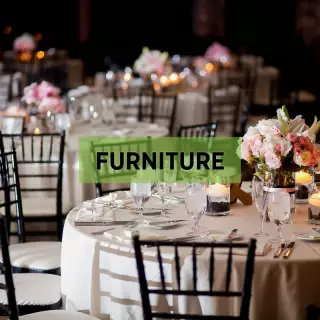
The source content points away from one fully matched chair set and towards a more considered mix. Couples may combine cross-back chairs with Chiavari chairs, or long trestle tables with round guest tables, to give the reception a looser visual rhythm. That does not mean the room loses cohesion. It means the event can separate spaces by feel. One style may suit the dining tables, while another suits the ceremony or the lounge area. Mixing shapes can also help a venue move between formal and relaxed moments without a hard break.
Marquees, gardens, and barn venues continue to hold attention because they give couples a setting that feels less fixed than a ballroom. The source content links that growth to outdoor furniture, outdoor heating, and layouts that suit less structured spaces. Outdoor and hybrid venues often need equipment that can move across several zones over the course of the day. Drinks may start outside. Dinner may move under cover. The evening may spill back out once heating and lighting come into play.
That format changes the hire order because the site itself becomes part of the guest experience. Furniture no longer sits inside one room with one function. It supports movement between spaces and between phases of the day. That is why outdoor and hybrid weddings often need a broader mix of seating, tables, heating, and support equipment than couples first expect when they book the venue.
The source material describes cocktail hour as the social heart of the wedding, and that shift shows up in the equipment list. Poseur tables, lounge areas with Chesterfield sofas, and a proper bar setup all help turn that part of the day into more than a holding period between ceremony and dinner. Guests often spend a large amount of time in this phase, and the furniture affects how they use it. If the reception only offers scattered seating or nowhere to set down a drink, guests feel it fast.
The source content notes that one or two standout items often anchor the room now, whether that means a velvet sofa in a bold colour, a distinctive Eames chair, or a bar unit that pulls the eye. Those pieces matter because they give the room a focal point and create recognisable photo moments without asking every item in the venue to compete for attention. A statement piece does not need volume to work. It needs placement.
The source content already notes that popular summer dates fill 12 to 18 months ahead and that hire tends to follow the venue booking. Once the venue sits in place, the furniture and equipment order needs attention because the most in-demand categories often tighten first during peak season. The same source also points to later-running receptions, with midnight bars, late food, and post-midnight dancing now forming part of many weddings. That timing shift matters because the room has to hold together through dinner and then carry on looking right deep into the evening.
Expo Hire delivers furniture and catering equipment across England and Wales, and the site lets you check live stock before you place your order online. Also see: Wedding furniture hire: a practical planning guide. Trends can shape the mood of a wedding, but the equipment plan decides how well that mood holds from the first arrival through the last hour of the reception.
Choose from our vast range of catering hire, furniture hire and exhibition hire products. Select from the categories listed below or use our great search function above.