Chair selection shapes how an event feels as much as how it looks. This guide covers the best hire options for weddings, corporate events, outdoor settings and high-end galas.
Chair selection shapes how an event feels as much as how it looks. This guide covers the best hire options for weddings, corporate events, outdoor settings and high-end galas.
Choosing the right chairs for your event is one of the fastest ways to shape the room. Guests notice the chairs before they look at the menu, and they feel the difference as soon as they sit down. A formal dinner, a wedding breakfast, a conference session and a garden party all ask for something different, so the best chair is the one that suits the event format as well as the look you want. This guide breaks down the most common chair hire options, where they work, and what you should check before you place the order.
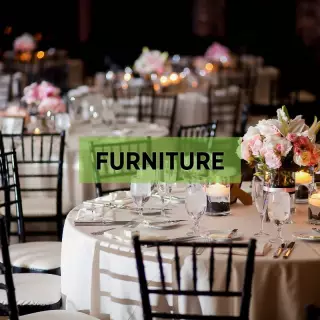
Chiavari chairs remain one of the most popular choices for weddings because they suit almost any room. They look right in country houses, marquees and hotel ballrooms, and they work with ribbons, florals and plain linen if you want a cleaner finish. They are available in white, gold and limewash finishes, so you can tie them into the rest of the palette without forcing the scheme. For rustic venues and barn weddings, cross-back chairs often sit better with timber tables, softer lighting and natural styling.
For conferences, award ceremonies and training days, comfort and handling matter as much as appearance. Guests may be seated for long sessions, then moved into breakout areas or dining layouts later in the day. Padded banqueting chairs make sense here because they support longer periods of sitting and give the room a smart, uniform look. If your schedule includes fast room turns, stackable chairs give you more flexibility because crews can clear and reset them without slowing the event down.
Folding chairs are the workhorses of party and garden event planning. They are easy to move, easy to store during setup, and useful when the layout may change between eating, speeches and dancing. They suit private dining events, school functions, staff parties and mixed-use spaces where you need practical seating rather than a statement piece. They also help when access is awkward, because crews can carry large quantities into back gardens, marquees and temporary venues without the same handling issues you get with bulkier chair styles.
If the room design does a lot of the talking, the chair needs to support that brief. Tolix cafe chairs suit industrial spaces, food markets and brand events where a harder, urban finish looks right. Eames-style chairs bring a cleaner mid-century look that works well for launches, receptions and design-led corporate events. These styles tend to read strongly in photos, so they can do more visual work than a plain banqueting chair when the chair itself is part of the concept.
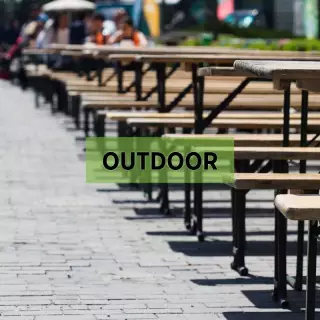
Outdoor seating has to do more than look good. It has to cope with grass, paving, changing weather and the fact that guests may drag chairs around the site. The safest choice is furniture built for exterior use or chairs that can tolerate light weather exposure and uneven ground. Our outdoor furniture range includes options suited to garden events, marquee receptions and festival settings. If the ground is soft, check the leg profile in advance. A chair that looks fine on a terrace can become awkward on wet grass.
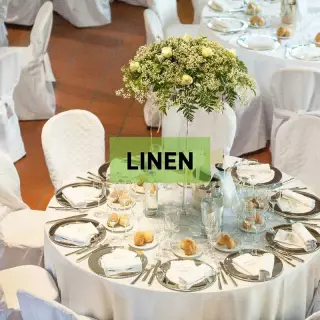
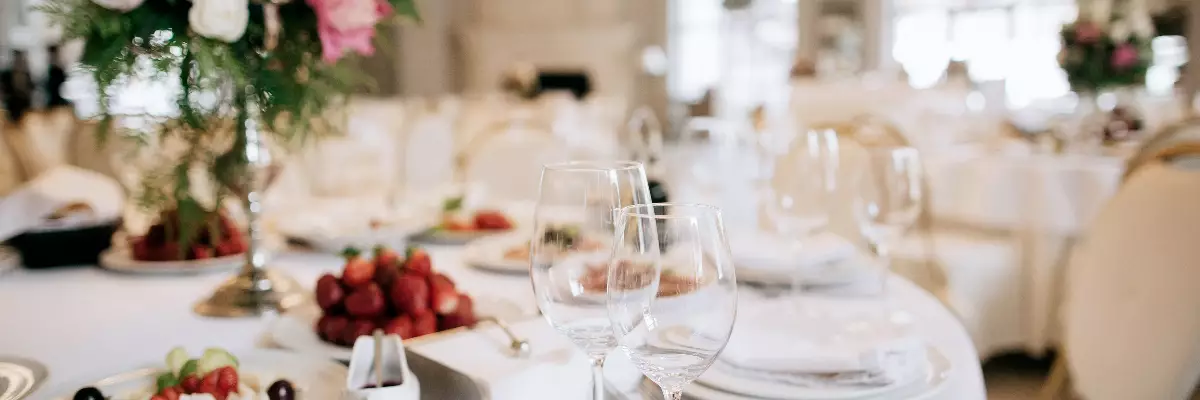
For formal dinners and black-tie events, guests expect the furniture to match the tone of the evening. Wishbone chairs and quality upholstered seating give the room a stronger design identity than a basic conference chair. They suit long tables, statement florals and rooms where the table plan is part of the visual impact. On this kind of event, the chair stops being a background item and becomes part of the set dressing.
Once you know the style, think about how the chair behaves in the room. A wedding chair that looks great in a product shot may not be the right answer if you need tight theatre rows, narrow access routes or a fast turnaround between ceremony and dinner. Padded chairs suit longer seated sessions. Slimmer chairs help in tighter venues. Stackable chairs reduce labour when the crew has to reset the room on a short schedule. If the venue has stairs, lifts or a long carry from the loading point, practical handling should shape the decision as much as the finish.
You do not always need one chair for every part of the day. Many events work better when you split the hire list by zone. You might use Chiavari chairs for the wedding breakfast, folding chairs for the ceremony if it takes place outdoors, and café or lounge seating for the evening bar area. Corporate events often do the same thing, with banqueting chairs in the main room and softer seating in breakout spaces. Mixing styles can improve both the look and the budget, provided you plan the transitions and let the venue know how each area will be used.
Chair hire gives you matched stock in the quantities you need, delivered together and collected together. That matters more than many planners realise. A room of 120 chairs looks clean when every frame, finish and seat pad matches. It looks untidy when the last 20 came from a different source. Hiring also protects you against late changes. If the guest list grows, you can add more of the same chair rather than scrambling to find something close enough. You also avoid buying, storing, moving and reselling furniture for a one-off event.
Confirm your guest numbers, room layout and event format before you pick the chair. Ask the venue how much setup time you have, whether the floor is level, and whether any areas are outdoors. If the chair is part of the look of the room, decide early, because popular styles book up first around wedding season and peak summer weekends. Share a floor plan if you have one, and think about chair numbers with a sensible buffer rather than an exact headcount. That gives you cover for last-minute changes and helps the venue team seat everyone without compromise.
When you need hundreds of seats set out and cleared fast, stacking chairs earn their place. They are quick to move, easy to store during setup and practical for conferences, AGMs and training days where function matters more than decoration. The trade-off is visual. A stacking chair looks like conference seating because that is what it is. For a gala dinner, you may want something with more presence. For a daytime corporate session, a reliable stackable chair is often the right call.
Outdoor events need weather-aware seating. Plastic garden chairs and aluminium bistro chairs handle changing conditions better than delicate indoor styles. Wooden chairs and Chiavari chairs need more care if the weather turns, so plan coverings or an indoor backup if they are part of the brief. For outdoor dining, check the surface as well as the forecast. Chairs with narrow legs can sink into grass, while uneven paving can make light seating wobble.
Budget still matters, and chair choice can shift it. Folding chairs hire from around £1.00 to £1.50 per unit. Stacking banqueting chairs run from around £1.50 to £2.00. Chiavari chairs sit from around £3.00 to £5.00, while Tiffany resin chairs usually land between stacking and Chiavari. On a 200-person event, the spread between the cheapest and most expensive option can total several hundred pounds. That sounds significant until you compare it with the overall event spend. If the chair is visible in every photo and shapes the look of the room, that extra cost can be money well spent.
Browse our full chair hire range or contact us if you want help matching chair styles to your venue, layout and guest numbers.
Choose from our vast range of catering hire, furniture hire and exhibition hire products. Select from the categories listed below or use our great search function above.