Choosing the right catering equipment hire company in London comes down to reputation, stock range and local responsiveness. This guide covers what to look for and how to plan your order.
Choosing the right catering equipment hire company in London comes down to reputation, stock range and local responsiveness. This guide covers what to look for and how to plan your order.
Catering equipment hire in London covers a wide range of event formats, from private dining and corporate receptions to brand activations and larger service-led events. London does not give organisers much room for error. Venues often work to strict access windows, loading bays can close fast, and the pressure on service rises when the guest list expects speed as well as presentation. That means the equipment order needs to match the event brief, the venue access plan, and the catering style from the start.
The first question is not which supplier has the longest stock list. It is what your event needs the catering equipment to do. A formal seated dinner needs one mix of equipment. A street-food-led event needs another. A cocktail reception, a conference break, and a product-launch bar each pull the order in different directions. Guest numbers matter, but the service format matters just as much. Menu style, existing venue facilities, and the balance between front-of-house and back-of-house equipment all shape the final list.
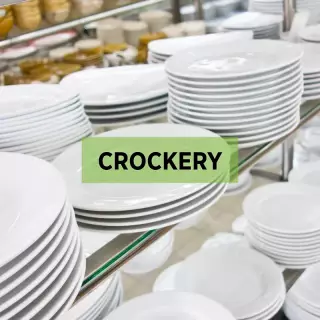
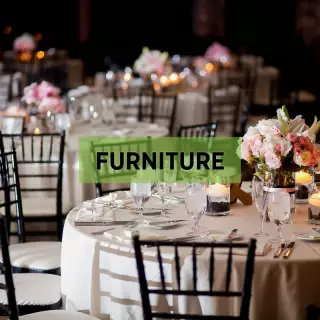
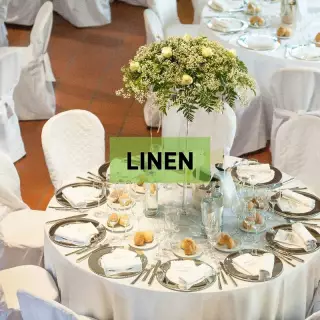
One of the clearest advantages in event hire comes from pulling several categories through one supplier. Expo Hire's range already covers cooking equipment, refrigeration, bar equipment, crockery, glassware, cutlery, and event furniture. That matters in London because many venue builds need a joined-up order rather than a single category top-up.
A corporate dinner may need tables and chairs in the room, hot-hold and prep support for the kitchen, glassware and cutlery for service, and refrigeration for drinks. A product launch may need bar equipment, display refrigeration, coffee machines, and lounge furniture in the same run. Handling those pieces under one delivery plan cuts down the number of vehicles, arrival windows, and separate supplier conversations attached to one event. In a city where venue access can shrink fast, that simplification has real value.
The source content puts strong emphasis on reliability, and London gives a clear reason why. A late van or an incomplete order has a bigger effect in the capital because replacement time disappears quickly once the access slot opens. Organisers often need visibility on when the order will arrive, how the drop will work, and whether the schedule still holds when other suppliers line up on the same loading bay. Expo Hire's live delivery tracking addresses part of that need by giving you real-time visibility on the vehicle status rather than leaving you to guess when the equipment will appear.
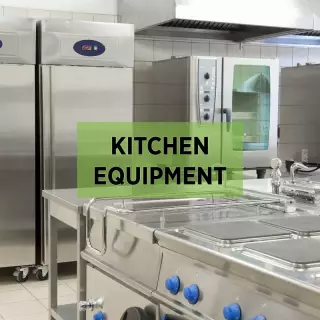
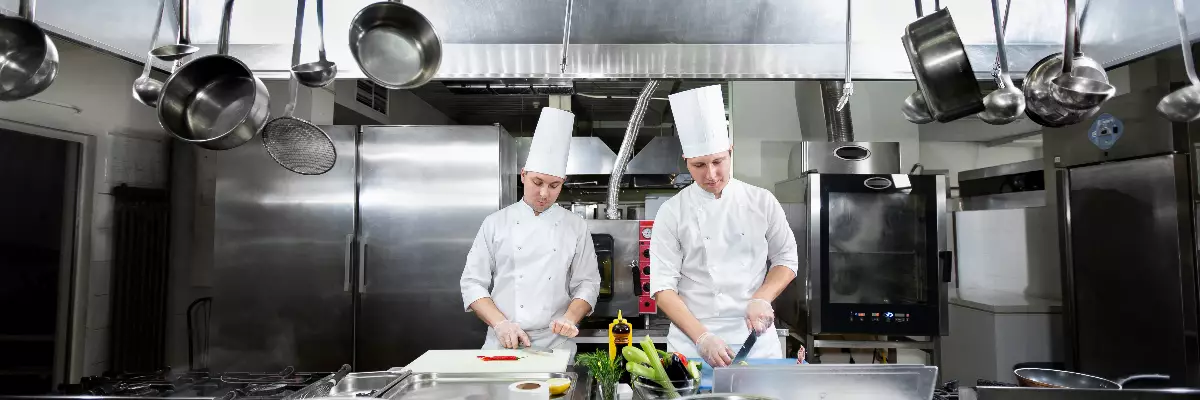
The source content already calls out a common issue. Front-of-house presentation attracts most of the planning energy, while kitchen support sits further down the list until the team realises service cannot run without it. Cooking equipment, ovens, griddles, holding units, and refrigeration sit behind the visible event, but they shape the quality and pace of what guests actually receive. If the kitchen lacks the right capacity, the dining room feels that problem fast.
That point matters across several London event styles. Private dining may hinge on hot holding and clean plating. Conference breaks may need coffee output and service speed. Brand events may need draught beer equipment and refrigeration that can cope with repeated opening through the whole service period. The categories change, but the principle does not. A polished guest-facing room still depends on the equipment behind it.
Local knowledge matters in London because venue constraints can shape the whole equipment plan. Central venues may have narrow loading windows, strict access times, long internal carries from the bay, or a route that requires several supplier drops to fit in sequence. The source content also notes that Expo Hire delivers to all London postcodes, including central London, and that the congestion-zone vehicle surcharge already sits inside the delivery pricing shown at checkout. That clarity helps because the carriage figure should not change into a surprise once the order reaches the payment stage.
Loading bays and timed windows still need direct attention from the organiser. If the venue sets a specific delivery time, that time needs to sit in the booking conversation rather than surface on the day. Some London builds have almost no slack once access opens. A supplier who already understands those pressures can fit more easily into the schedule than one who only thinks in terms of a broad all-day delivery. The city does not remove the need for planning. It increases it.
The source material points to several categories that appear again and again in London orders: bain maries for hot buffets, commercial coffee machines for conference breaks, and draught beer equipment for product launches and brand events. That list reflects the city well. London events often ask suppliers to support service that looks polished in front of guests and runs at pace behind the scenes. Whether the function sits in a private dining room or a large event venue, that expectation stays in place.
One common London booking pattern combines chairs and tables with catering equipment and glassware in one delivery. That reflects the way many venues operate. They may provide the shell of the room but leave organisers or caterers to bring in what the event itself needs. If the supplier can cover furniture, tableware, and kitchen support in one order, the build becomes easier to manage and the event team can focus on timing, staffing, and service rather than juggling extra deliveries.
Choose from our vast range of catering hire, furniture hire and exhibition hire products. Select from the categories listed below or use our great search function above.