Ensure Expo Hire offers a wide selection of well-maintained catering equipment. Check for delivery, setup, and collection services to simplify your event planning.
Ensure Expo Hire offers a wide selection of well-maintained catering equipment. Check for delivery, setup, and collection services to simplify your event planning.
For current stock and pricing, see our fridge hire page.
Selecting the right appliances for your event hinges on understanding your menu, guest numbers, and venue capabilities. You need a clear strategy to pick perfect catering equipment hire without overspending. Expo Hire supplies commercial-grade gear to professional organisers across England and Wales.
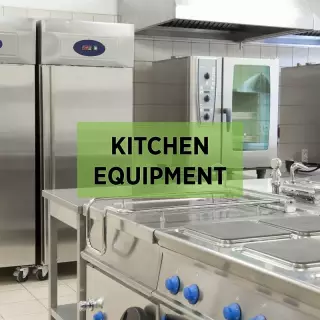
Your menu dictates the essential items you need. Outdoor summer events and informal gatherings make BBQ hire a natural fit. Sit-down meals require hot cupboards and bain maries to hold food at serving temperature. Cold storage remains non-negotiable for perishable ingredients; most events require fridge hire regardless of guest numbers.
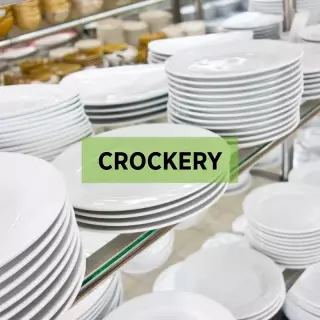
Consider the entire food service process rather than just cooking. Presentation plays a significant role in the atmosphere. Quality crockery hire, cutlery hire, and glassware hire contribute heavily to the table setting. Matching your servingware to the occasion prevents visual disharmony. Fine china suits a formal dinner, while heavy-duty options fit a festival environment. Specific street food equipment hire handles high-volume, rapid service in an informal setting.
Define your budget before you begin browsing to avoid overspending. Prioritise the items crucial for your menu once you have a figure in mind. You might allocate more funds to primary cooking appliances, where quality directly impacts the food. Savings often come from serving and dressing items without guests noticing the difference. We require no security deposit for standard bookings, freeing up more of your budget upfront.
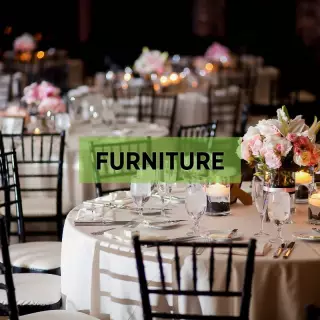
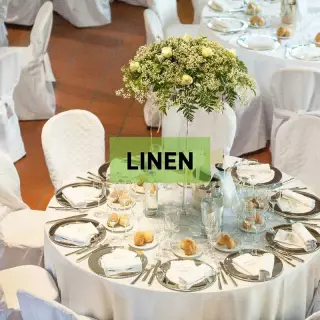
Transparent, itemised pricing simplifies budgeting. Compare the total cost from different suppliers, including delivery and collection fees, rather than just the per-item rate. Bundled packages offer better value when you require furniture, linen hire, and catering equipment hire together. We show all prices and live stock levels directly on our website, so you never have to wait for a quote.
The scale and format of your gathering influence nearly every decision. A large corporate dinner for 200 guests requires a different volume of gear than a 40-person private party. An outdoor garden event has distinct needs compared to an indoor reception.
Formal sit-down events demand uninterrupted food service and consistent presentation. This requires reliable heated holding units, appropriate tablecloths, and coordinated serving items. Casual events benefit from versatility. You want appliances that operate without specialist staff.
Consider how the setup integrates with the overall layout. Plan the locations for food preparation and serving stations carefully. Leave sufficient space for appliances, staff movement, and guest access. A mobile bar unit might require a footprint of approximately 2 metres by 1 metre. A large commercial oven could need a dedicated area of 1.5 metres by 1 metre.
Always confirm your venue restrictions and facilities. Some locations have limitations on external appliances, particularly regarding cooking units that produce smoke or require specific power sources. Check for these factors:
Accurately estimating the quantity of each item prevents shortages. Aim for at least 1.5 times your guest count for plates and forks to account for seconds and potential breakages. A 100-guest event needs 150 dinner plates and 150 sets of knives and forks. We include a free minor damage waiver on every order, covering accidental chips and breakages.
Consider capacity when selecting serving dishes. A standard bain-marie insert (GN 1/1 size) typically holds around 10-15 litres of food, depending on depth. Estimate the volume each dish will hold and the number of servings it will provide. Having slightly too much capacity prevents mid-service panic.
Reputable suppliers maintain their stock to high hygiene and safety standards. Ask about their cleaning processes and certifications. Verify that all electrical items carry current PAT testing labels. Confirm that cooking units meet current safety regulations. This protects your guests and your reputation. With our "Send It Back Dirty" service, you return plates, glasses, and forks unwashed; we handle the cleaning at our Birmingham depot.
Clarify the delivery and collection arrangements with your chosen supplier. Understand the delivery windows and logistics. We operate a dry hire service, meaning we deliver clean, tested items and collect them after use. You handle the setup and installation. Delivery starts from £40 ex-VAT, and the system calculates the cost by road distance from your nearest depot. You receive live vehicle tracking and an SMS ETA on delivery day.
Taking these practical aspects into account helps you pick perfect catering equipment hire for your specific requirements. You can browse our complete inventory online without needing to call. Stock levels update in real time. Select your hire dates to check availability and confirm your order today.
Choose from our vast range of catering hire, furniture hire and exhibition hire products. Select from the categories listed below or use our great search function above.