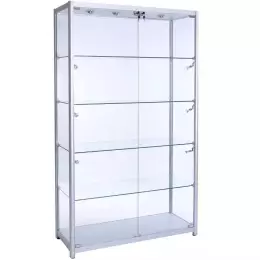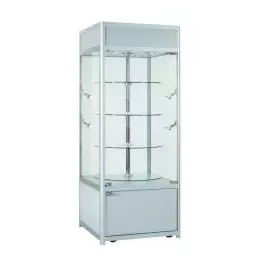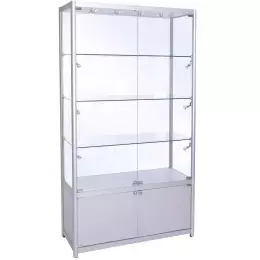
Hire lockable glass display cases, tower cases and plinths for exhibitions, launches, jewellery displays and premium product stands.
Display case hire gives premium products a secure place on the stand and helps visitors focus on the item instead of the crowd around it. Expo Hire hires lockable glass display cases, tower cases, jewellery cases and museum plinths for exhibitions, watch launches, technology showcases and collector displays.
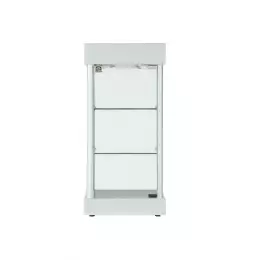
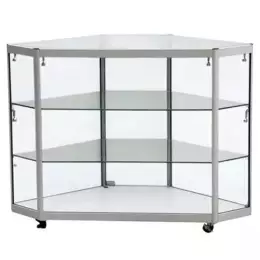
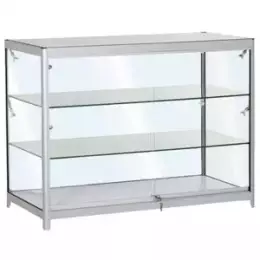
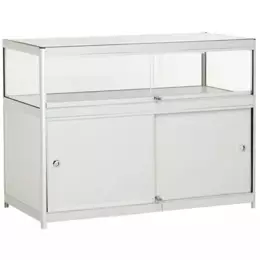
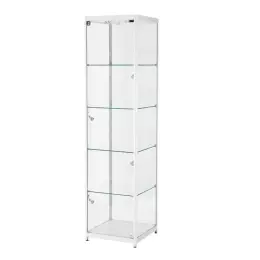
Products sell better when the case matches the object. A standard lockable glass display case around 1 metre by 0.5 metre by 1 metre suits technology products, collectible items, trophies, packaged goods and launch pieces that need full visibility from several sides. Tower display cases suit taller items and products that should sit at standing eye level. Jewellery cases suit rings, watches, small luxury goods and items that need a shallow top-view display rather than a chest-height box. Museum plinths work well when the product can stand without glazing or when the team wants one bold object with open access for photos. Security matters on crowded exhibition floors. Lockable cases give the stand team confidence when the product has value and the hall stays busy. They also create a natural boundary between the visitor and the item, which helps on launch stands where guests want a close look but should not handle the piece. Lighting should be planned at the same time as the case. Many brands use LED strip lighting inside or around the case to lift detail and stop reflections from flattening the display. Measure the product first, then measure the access route into the hall. A case that fits the product but not the service lift solves nothing. Weight and glass handling also matter on short build windows, so the order should be set before the final week. Good showcase hire supports both security and storytelling because the product gains a controlled stage instead of sitting on a table between leaflets and business cards.
Case placement changes how visitors read the stand. Put the hero product where the aisle can see it, then leave enough space around the case so two or three people can stop without blocking the full frontage. Tower cases draw the eye upward and work well on smaller stands that need vertical interest. Jewellery cases pull the visitor closer and support guided conversations. Plinths work best when the product shape can carry the display without protection. If the stand uses LED strips, test the angle before the hall opens so the light shows the product and not the glare. One well-lit case often does more than three crowded ones.
Yes. Lockable glass display cases suit products that need extra security on a busy exhibition floor.
A common exhibition display case size is about 1 metre by 0.5 metre by 1 metre, which suits many technology, luxury and collectible products.
A jewellery display case works best because it gives a shallow viewing angle and lets visitors see smaller items from above.
Yes. Many stand teams pair display cases with LED strip lighting to improve visibility and highlight product detail.
Expo Hire does not charge a security deposit. A free minor damage waiver covers minor damage and loss. Excessive or negligent damage is charged at 10 times the hire price. Full details in our terms and conditions.
Expo Hire charges a fixed fee to many major exhibition centres across the UK, covering timed delivery and collection direct to your hall and stand number. Check whether your venue qualifies on the carriage calculator. For most qualifying venues the fixed charge is £100 with a minimum order of £500.
On the day, track your driver in real time on our order tracking page, or use the link in the automated text we send.
For orders over £1,000, you can confirm a booking with a 25% deposit and pay the balance up to 28 days before delivery. The checkout offers this automatically. Full details in our terms and conditions.