
Plan a greener event by focusing on waste reduction. Expo Hire offers tips to minimize your event's environmental impact.
Plan a greener event by focusing on waste reduction. Expo Hire offers tips to minimize your event's environmental impact.
Executing a sustainable corporate function or festival requires practical decisions that cut waste. Incorporating green event planning hire into your procurement strategy replaces token gestures with measurable environmental benefits. You make smart choices regarding equipment acquisition, food management, and material disposal. These changes deliver a lower carbon footprint and reduce the volume of refuse heading to landfill.
The most impactful step an organiser takes involves choosing rental over purchase. Buying furniture or catering equipment for a single date leaves you with surplus stock. These items often end up in skips or gather dust in storage units. Hired goods stay in circulation, serving multiple dates over a 5 to 10-year lifespan.
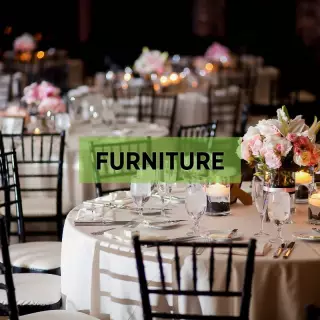
Consider a Chiavari chair. Renting this item from Expo Hire keeps it active for hundreds of functions throughout its durable life. Buying the exact same chair for one date serves only that single occasion. The environmental calculation remains clear: renting reduces the demand for new production and subsequent disposal. We require no security deposit for standard orders, making chair hire a straightforward process.
Renting also guarantees regular maintenance and repair. Items in our hire stock undergo strict inspection and cleaning after every booking. This process extends their usable life far beyond that of privately owned goods. Our EventPro® own-brand range features commercial-grade construction, meeting the rigorous demands of the rental trade rather than domestic retail.
Disposable plates, plastic cups, and single-use cutlery represent the most visible forms of event waste. Choosing green event planning hire for your catering needs eliminates these items entirely. You replace disposables with durable, reusable items by booking china plates, glass tumblers and wine glasses, and real cutlery. We collect these goods after use and wash them at our depots.
Expo Hire's send-it-back-dirty service removes any practical barrier to choosing reusable catering ware. You return items unwashed, and our depot teams manage the entire cleaning process. The cost difference between disposables and hired alternatives often falls below expectations, making the environmental choice an economically sensible one. Every order includes a Free Minor Damage Waiver, covering accidental breakages of glassware or crockery without additional charges.
Food waste at events typically stems from over-ordering and inadequate temperature management. Both issues remain entirely avoidable. Work closely with your caterer to estimate portion sizes accurately, avoiding the temptation to over-order significantly. For hot food, using chafing dishes maintains correct serving temperatures. This keeps food edible for longer, reducing waste.
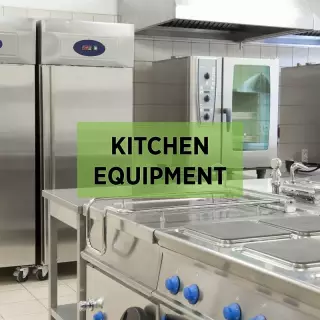
For any unavoidable surplus food, establish in advance whether a local food redistribution charity collects after the event. Many charities accept surplus catered food for redistribution, assuming you handle and store it according to food safety guidelines. This diverts edible food from landfill. Booking catering equipment hire items like refrigerated trailers helps maintain strict temperature controls for surplus ingredients.
Transport contributes significantly to event carbon emissions. Selecting suppliers with regional depots minimises delivery mileage. Expo Hire operates from 11 regional branches. For most bookings, a local team handles delivery, avoiding lengthy journeys from a single, distant central hub. This reduces fuel consumption and associated emissions. Our system calculates delivery starting from £40 ex-VAT, factoring in the road distance from your nearest depot. On the day of your booking, you receive live vehicle tracking and an SMS ETA.
Beyond catering, consider the materials you require for your event. This includes everything from signage and decorations to temporary structures. Opt for reusable or recyclable materials. For example, instead of printed banners that face disposal, consider fabric banners that you store and reuse, or digital displays. Using digital screens for schedules and maps eliminates thousands of printed paper programmes.
Prioritise table hire and other reusable assets over purchasing new stock. Should purchasing remain unavoidable for specific items, research their end-of-life disposal. Determine whether you donate, resell, or recycle them. For materials like temporary flooring or staging, explore options that dismantle for future dates.
Monitor the water and energy consumption at your venue. Providing water dispensers with reusable cups replaces single-use plastic bottles. For events with catering, check that dishwashing facilities operate with high energy efficiency ratings. Hiring urns and water boilers allows you to serve hot drinks without running continuous power to inefficient kettles.
Lighting consumes significant energy. Opt for LED lighting, as it uses considerably less power than traditional incandescent bulbs. For outdoor events, consider solar-powered lighting alternatives.
Informing your attendees about your commitment to sustainability encourages their participation and raises awareness. Clearly communicate your waste reduction strategies, such as providing clearly marked recycling bins and encouraging reusable water bottles. This transparency fosters a sense of shared responsibility among delegates, sponsors, and exhibitors.
Integrating these practical strategies into your schedule significantly reduces your environmental impact. Expo Hire supports your efforts by supplying high-quality, reusable equipment that aligns with your sustainability goals. Prices and live stock levels show directly on our website. Add your required items to the basket and confirm your dates online.
Choose from our vast range of catering hire, furniture hire and exhibition hire products. Select from the categories listed below or use our great search function above.