
Ensure your London corporate event runs smoothly with this essential equipment checklist from Expo Hire. Plan ahead for success.
Ensure your London corporate event runs smoothly with this essential equipment checklist from Expo Hire. Plan ahead for success.
For current stock and pricing, see our event equipment hire page.
Expo Hire knows that selecting the right gear shapes attendee perception from the moment they walk through the door. Securing successful london corporate event equipment hire means looking beyond basic seating. AV quality, catering setups, connectivity, and outdoor elements all demand careful planning. This guide provides a practical checklist to help you get the details right.
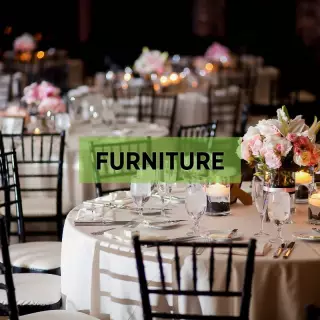
Comfortable, well-chosen pieces form the bedrock of any corporate gathering. For dining areas, select chair hire and table hire options that function well and match your specific tone. For networking receptions, poseur tables paired with stools encourage standing conversations and a lively atmosphere. For relaxed breakout zones, sofas and low coffee tables create inviting spaces for informal discussions.
Consider formal settings requiring Chiavari chairs or padded conference seating for superior comfort during extended sessions. Outdoor extensions demand weatherproof items that withstand the elements while maintaining consistency with your indoor aesthetic. Weatherproof rattan furniture provides durability and a sophisticated look.
Arrangement matters just as much as the pieces themselves. Leave adequate space for guests to move between zones. Maintain clear sightlines to presentation screens or stages. A common guideline dictates at least 1.5 metres of clear circulation space in high-traffic areas. Because we require no security deposit on orders over £500, you can scale your furniture hire order to match your exact floor plan without tying up extra capital.
Sound and visuals dictate the impact of presentations, panel discussions, and any component involving spoken content. High-quality microphones, speakers, projectors, and screens guarantee that every attendee hears and sees with clarity, irrespective of their seating position. A typical conference room of 100 people requires a sound system with at least 2 x 300W active speakers and a suitable mixing desk.
Match your AV specification precisely to your content. Confirm early if you plan to play video clips, host a live stream, or incorporate interactive polling. Conduct full testing before guests arrive. Arrange for technical support to remain on-site throughout the day to address immediate issues.
Plan AV placement with precision. Speakers must cover the entire room without creating dead zones. Screens need to remain visible from all seating areas without obstructing sightlines to the stage. Large screen projections demand sufficient projector lumens for the room's ambient light levels. A 5000-lumen projector serves as a good starting point for a moderately lit room.
Modern corporate gatherings depend on consistent internet connectivity. Assess the venue's Wi-Fi capacity against the anticipated number of devices. Consider hiring additional networking gear if the built-in provision appears insufficient. An event expecting 200 attendees with multiple devices each might necessitate a dedicated high-capacity Wi-Fi setup or a wired network infrastructure.
Reliable connectivity proves vital for live voting, social media walls, or remote participation. Establish a dedicated network for critical functions and a separate guest network where appropriate. Provide clear connection instructions to attendees. Secure sufficient bandwidth for live streaming or large file transfers, aiming for a minimum of 100Mbps dedicated upload and download speed.
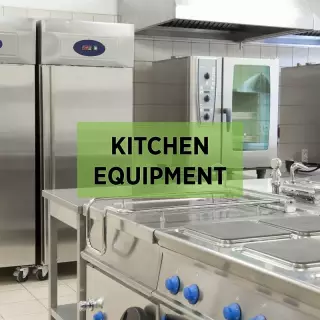
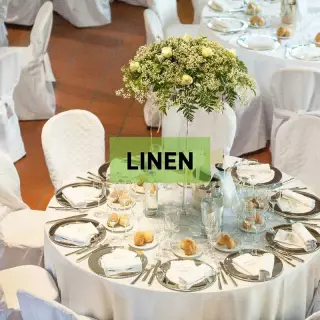
The catering setup dictates the flow of your gathering. Consider the specific food service type. Buffets require adequate table space, serving utensils, and chafing dishes to keep food warm. Seated dining demands enough tables and chairs, along with appropriate tableware, glassware, and cutlery.
Think about the practicalities. Catering teams need specific setup locations with access to power and water. Place refreshment stations strategically to avoid congestion. Standing receptions benefit from high tables and bar stools to facilitate mingling and access to food and drinks. Seated lunches require tables spaced a minimum of 1 metre apart so service staff can move comfortably.
Booking catering equipment hire through our platform grants access to our "Send It Back Dirty" service. You return all crockery, glassware, and cutlery unwashed, as cleaning comes standard with your order. This saves your catering team hours of post-event labour and speeds up the venue load-out process.
A well-planned stage commands attention and provides a focal point. The size of the stage must remain proportionate to the room and the number of presenters or performers. A panel of four speakers usually requires a stage measuring 6 metres wide by 3 metres deep.
Factor in lecterns, microphones, and specific AV requirements for the stage. Lighting plays a crucial role in keeping the stage visible for presenters and any cameras capturing the footage. Backdrops or branded elements reinforce your company identity and provide a professional backdrop for photography.
Never underestimate the importance of adequate power. Every piece of equipment, from projectors and sound systems to laptops and charging stations, requires a steady power source. Work with your venue and AV supplier to calculate the total power requirements. Secure sufficient extension leads, power distribution units, and appropriate cabling.
A contingency plan for power prevents unexpected disruptions. Consider hiring a small generator for outdoor setups or for venues with limited power capacity. Clearly label all power leads and route them safely to prevent trip hazards. A medium-sized gathering with multiple AV setups might need several 13A or 16A circuits, potentially requiring a dedicated power distribution system.
Clear signage guides attendees and prevents confusion. This includes directional signs to the venue, within the venue to different rooms or areas, and to essential facilities like restrooms and cloakrooms. Branded signage reinforces your identity and creates a professional impression.
Consider the visibility and placement of your signs. They must remain visible from a distance and sit at key decision points. Larger gatherings benefit from digital signage for live updates and information. Keep your signage consistent in style and branding throughout the space.
Booking the right gear requires a straightforward process. All orders placed through our platform happen entirely online, with no phone call required. Prices and live stock levels display directly on the site, allowing you to plan your budget accurately. Delivery starts from £40 ex-VAT, calculated by road distance from our nearest depot, and includes live vehicle tracking with an SMS ETA on delivery day.
Every order includes a free Minor Damage Waiver, protecting you against accidental scratches or breakages. Stock levels update in real time. Select your hire dates to check availability and confirm your order online today.
Choose from our vast range of catering hire, furniture hire and exhibition hire products. Select from the categories listed below or use our great search function above.