Choosing the right glassware elevates any event. Discover essential tips for selecting the perfect glasses at Expo Hire.
Choosing the right glassware elevates any event. Discover essential tips for selecting the perfect glasses at Expo Hire.
The glasses you place on your tables shape the way guests consume their drinks and contribute to the visual appeal of the room. Event organisers must balance aesthetics with practical requirements during the process of selecting perfect glassware special event hire. This guide covers the primary types of drinking vessels, their specific uses, and factual advice on calculating the exact quantities you need for your upcoming occasion.
The shape of a wine glass dictates the way oxygen interacts with the liquid. White wine glasses feature a taller, narrower bowl with a smaller opening. This specific profile helps maintain a chilled temperature and traps delicate aromas near the rim, directing them toward the nose. Red wine glasses incorporate a wider, rounder bowl with a larger surface area. This extra space allows the wine to aerate, encouraging complex flavours to develop before drinking. Serving the correct glass for each specific wine type improves the drinking process for your attendees and shows attention to detail.
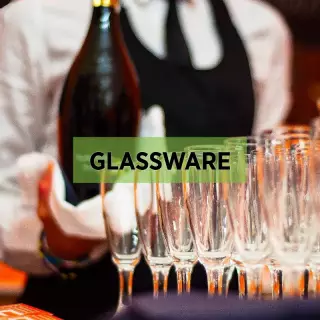
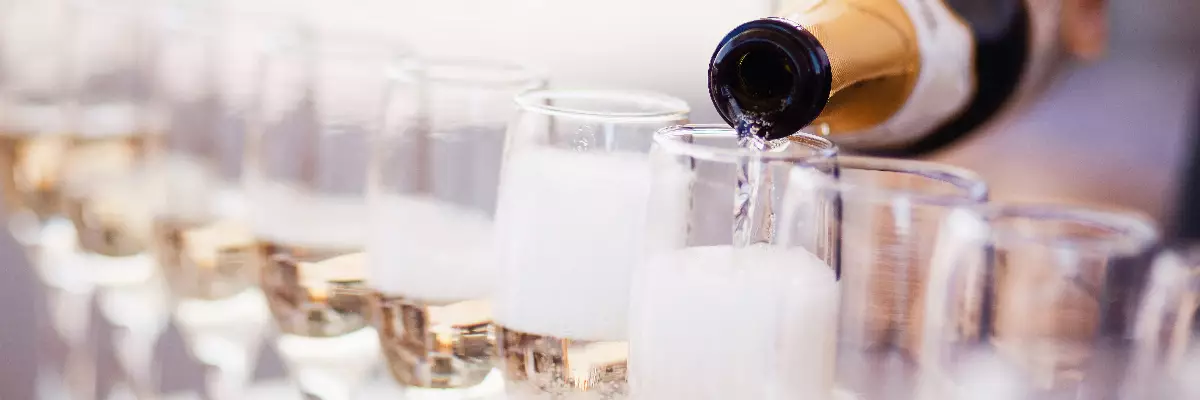
Crystal flutes remain the traditional choice for serving sparkling wine at weddings and corporate galas. Their tall, slender shape traps the effervescence of the bubbles and keeps the drink cold throughout the toast. Curved coupes or champagne saucers provide a different presentation style entirely. These wider vessels suit vintage themes, roaring twenties parties, or cocktail bar setups. Saucers also serve as the correct structural choice for constructing a champagne tower, as their wide rims allow the liquid to cascade down to the lower tiers.
Bartenders require specific vessels for different mixed drinks to execute a proper cocktail menu. A Margarita glass features a distinctive double-bowl shape, giving ample room for salted or sugared rims. A Martini glass incorporates a long stem, preventing the warmth of a hand from warming the chilled beverage inside. High-end functions often utilise coupe glasses for shaken cocktails served without ice. Matching the vessel to the specific drink format gives your bar staff the right tools for the job and maintains the authentic presentation of classic recipes.
Shot glasses provide a simple addition for functions serving spirits or digestifs after a main meal. Manufacturers produce these in standard sizes, typically holding 25ml or 50ml. They give your bar staff a clear, functional vessel for short drinks and shooters, helping them control inventory and pour accurate measures during busy periods.
Mixed drinks, long drinks, and non-alcoholic beverages served over ice require hi-ball and tumbler glasses. They offer the necessary volume and shape for classics like gin and tonic, Pimm's, or Bloody Marys. These vessels work equally well for soft drinks, juices, and table water, making them an adaptable choice for any bar setup. A standard hi-ball glass typically holds around 250ml to 300ml of liquid, leaving plenty of room for ice and garnishes.
Wine or whisky tasting sessions demand ISO-standard tasting glasses to give a consistent baseline for all participants. The Glencairn glass serves as a preferred choice at dedicated whisky tasting sessions across the hospitality sector. Its tulip shape concentrates aromas near the nose, allowing for a more focused appreciation of the spirit, while the solid base provides a sturdy grip.
Outdoor functions require shatterproof options to prevent breakages on hard surfaces like patios or tarmac. Polycarbonate glasses give you durability without sacrificing the visual appeal of real glass. Manufacturers produce these in styles resembling wine glasses, hi-balls, and champagne flutes, allowing you to maintain a premium look. Festival operators, garden party hosts, and school event planners rely on these alternatives to maintain safety standards while serving large crowds.
A practical starting point for calculating your order involves looking at your exact guest count and your planned drinks menu. Seated dinners require at least one wine glass and one water glass per guest. Serving multiple wine types means you need separate glasses for red and white wine at each place setting, instantly doubling your wine glass requirements.
Standing receptions or functions with a cash bar service demand higher quantities. A standard rule of thumb dictates that each guest will consume an average of two to three drinks per hour. You need a sufficient quantity to cover peak demand at the bar before the first collection of used glasses takes place. Waiting staff need time to clear tables, and bar staff need clean stock ready to go.
Review the specific types of drinks on your menu. Serving a variety of cocktails means you need enough of each specific cocktail glass to meet demand. Functions with a broad beverage selection benefit from a good mix of hi-balls, tumblers, and wine glasses to cover most requests.
Ordering slightly more stock than your initial calculation suggests prevents shortages during service. Breakages happen during busy events, and having a small buffer keeps your bar running. Adding a 10% overage to your final count acts as a sensible precaution and removes stress from your bar manager.
Event flow dictates your stock requirements. Guests moving between different areas or distinct serving times mean you must account for glasses left behind in previous locations. A drinks reception in a foyer followed by a seated dinner in a main hall requires two separate sets of glassware if staff cannot clear and relocate the first set in time.
Champagne toasts require enough flutes or saucers for every single attendee simultaneously. Constructing a champagne tower demands a significantly higher number of glasses, depending entirely on the size and tiers of the planned structure. A five-tier tower requires 55 glasses, while a six-tier tower needs 91.
Matching your vessels to the overall theme and formality of your function sets the right tone. Crystal glasses give a classic, elegant look for formal dining and corporate awards nights. Relaxed or outdoor functions benefit from durable polycarbonate options that eliminate the risk of shattered glass.
Capacity plays a major role in your ordering decisions. Standard wine glasses range from 175ml to 250ml, while hi-balls typically hold 250ml to 300ml. Checking these capacities against your planned serving sizes prevents over-pouring and helps control your beverage budget.
Logistics and cleaning take up valuable time after the doors close. Expo Hire includes a "Send It Back Dirty" service on all glassware hire, crockery hire, and cutlery hire orders. You pack the used items back into their crates unwashed, and our warehouse team handles the cleaning process at our depot.
Protecting your budget against accidental breakages matters when dealing with fragile items. Every order includes a Free Minor Damage Waiver, covering the cost of minor chips or breakages without any extra fees. We also operate without requiring a security deposit, keeping your upfront costs low and simplifying your accounting.
Reviewing your final numbers against your guest list gives you a solid foundation for your order. The process of selecting perfect glassware special event hire requires attention to detail, but placing the actual order takes only a few minutes.
Expo Hire operates a fully online booking system with no phone calls required. You can view live stock levels and exact pricing directly on the website. Our system calculates delivery costs from £40 ex-VAT based on the road distance from our nearest depot to your venue. We also provide live vehicle tracking and an SMS ETA on your delivery day, giving your site manager accurate arrival times.
Stock levels update in real time across our 11 regional depots. Select your hire dates on the product pages to check availability and confirm your order online today.
For more planning help, see the Glassware Hire Guide.
Choose from our vast range of catering hire, furniture hire and exhibition hire products. Select from the categories listed below or use our great search function above.