
Before booking wedding equipment hire, understand your venue's restrictions and Expo Hire's delivery/pickup policies. Confirm item availability and any setup/teardown fees.
Before booking wedding equipment hire, understand your venue's restrictions and Expo Hire's delivery/pickup policies. Confirm item availability and any setup/teardown fees.
Planning a large-scale reception involves coordinating multiple suppliers and strict timelines. Booking event furniture might seem straightforward, but overlooking specific logistical details creates significant stress on the day. This guide outlines essential considerations to confirm before you commit to any booking. Navigating the process of hiring equipment for your wedding hire demands accurate guest numbers, clear venue access details, and a firm understanding of delivery schedules.
Before finalising quantities of table hire or chairs, you must visit the venue and gather specific access information. This proactive step prevents costly last-minute changes on the delivery day. Note the following details during your site visit.
Delivery vehicles require adequate space to park and unload safely. Assess the designated loading bay. Determine whether the driver needs to park on the public road. Consider the size of the transport vehicles, as some suppliers operate lorries up to 7.5 tonnes. Expo Hire calculates delivery from £40 ex-VAT based on road distance from the nearest depot, and we provide live vehicle tracking with an SMS ETA on the delivery day.
Internal access dictates what items fit inside the building. Check for lifts near the loading area. Measure the lift dimensions, including height, width, and depth, alongside the maximum weight capacity. Record the dimensions of all doorways, corridors, and stairwells. This data dictates whether large items like staging or extensive catering appliances fit into the function room.
Venues often enforce strict delivery and collection windows. Confirm any prohibited delivery times, such as early mornings or peak traffic hours. Some locations restrict access on Sundays or bank holidays. Identify the on-site contact responsible for granting access to the delivery team. You need a designated person to liaise with the driver and sign for the goods.
Guest numbers dictate the quantities of almost all your hired items. Do not place an order until you possess a reliable headcount based on your confirmed RSVP list. Focus on the number of attendees at the main reception, as this area requires the most furniture.
Ordering 5 to 10 percent extra chairs accommodates last-minute additions or unexpected arrivals. Contact your supplier straight away upon noticing significant changes to your numbers. Most companies allow adjustments up to 14 days before the event date. Availability for popular items fluctuates during peak summer months.
Expo Hire displays live stock levels directly on the website. You can check exact availability for your specific dates without making a phone call. We require no security deposit for standard orders, and you can secure bookings over £500 with a 25% advance payment.
Coordinate exact delivery and collection windows with both the venue management and your supplier. A well-planned schedule guarantees that items arrive on-site precisely when the setup team needs them.
Confirm the collection protocol with your venue. Determine whether the supplier must collect the items on the same day as the event or the following morning. Venues charging for room use beyond midnight often necessitate same-evening collection to avoid additional penalties. Leaving items overnight allows for next-morning collection, causing less disruption to the venue staff.
Consider the setup timeline for other contractors. Dance floors require installation before any entertainment acts arrive. Booking catering equipment hire means coordinating delivery times with your caterer's arrival schedule.
Comparing quotes from different suppliers requires looking beyond the headline price. Understand exactly what each quote covers to avoid unexpected charges later. Ask for a detailed breakdown of all costs.
Delivery charges typically cover unloading items from the vehicle at a ground-floor loading bay. Expo Hire operates on a dry hire basis. We deliver items clean and tested, and we collect them after use. We do not provide setup, installation, or on-site support. Your team must handle the positioning of all furniture within the venue.
Clarify whether the collection of items incurs an additional charge. Check if the supplier includes items like tablecloths and chair covers in the overall package, or if they charge for these separately.
Review the deposit requirements. Many companies demand a large security deposit upfront. Expo Hire operates differently, requiring no security deposit on standard orders.
Hire companies hold the hirer responsible for items damaged during the rental period. Clarify the terms regarding damage before signing any contract.
Define the difference between normal wear and tear versus chargeable damage. Minor scuffs on a table leg constitute normal wear, whereas a broken chair leg incurs a replacement charge. Request the replacement costs for all items in writing. This documentation allows you to budget accordingly and understand the potential financial implications.
Expo Hire includes a Free Minor Damage Waiver on every order. No other UK hire company provides this benefit. This waiver covers minor accidental breakages, giving you peace of mind during a busy event.
Discuss the venue's policies on damage with the management team. Brief your venue staff on how to handle the hired goods to minimise the risk of accidental breakages during setup and pack-down.
Calculate the time and manpower required for setting up and taking down the furniture. Hiring a large volume of chair hire stock requires sufficient time for your team to position everything correctly. Discuss this timeline with your venue coordinator.
Positioning 150 chairs and 20 tables takes a considerable amount of time for a small team. Align this task with your venue's access times and other supplier schedules. Dry hire means the equipment arrives ready for your team to deploy. You must allocate staff to move the items from the delivery point to the final function room.
Plan the teardown process with equal precision. All items must return to their original delivery state for collection. Chairs require stacking, and tables need folding down.
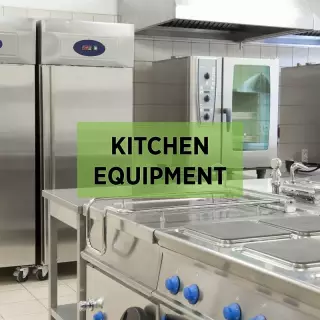
Booking hot cupboards, water boilers, or convection ovens requires careful attention to the venue's electrical capacity. Overloading a circuit causes power failures, bringing your catering service to an immediate halt.
Check the wattage and voltage requirements of every electrical item in your basket. Cross-reference these figures with the available power sockets in the venue's kitchen or marquee catering tent. Older buildings often feature limited electrical infrastructure, requiring careful distribution of high-draw appliances.
Consult with your venue manager regarding the location of all power outlets. Determine whether you need commercial-grade extension leads to reach the designated cooking areas. Keep all cables secured and away from high-traffic zones to prevent trip hazards.
Expo Hire tests all electrical equipment before dispatch. Every appliance arrives with an up-to-date PAT testing sticker, meeting the strict safety requirements enforced by professional venues across England and Wales.
Catering for a large reception generates a massive amount of dirty crockery, glassware, and cutlery. Washing hundreds of plates and glasses late at night presents a major logistical challenge for independent caterers and venue staff.
Check the cleaning policies of your chosen supplier. Many companies mandate that all tableware returns clean, charging hefty fees for any unwashed items.
Expo Hire operates a "Send It Back Dirty" policy. You return all crockery, glassware, and cutlery unwashed. We handle the cleaning at our Birmingham depot using commercial washing facilities. This service removes a significant burden from your catering team at the end of a long shift.
Pack all dirty items back into their original delivery crates. Scrape excess food from plates and empty all liquids from glasses before packing. This process speeds up the teardown and keeps the venue tidy.
Domestic furniture lacks the durability required for commercial events. Professional gatherings demand heavy-duty equipment capable of withstanding constant use, transport, and stacking.
Expo Hire supplies the EventPro® own-brand range. We design this furniture specifically for the hire trade, not the retail market. These items feature reinforced frames, durable finishes, and stackable designs.
Consider the specific environment where the furniture will sit. Outdoor receptions require weather-resistant materials like aluminium or treated resin. Indoor setups allow for a broader selection of fabrics and wood finishes. Using indoor furniture outside risks severe water damage, leading to hefty replacement charges.
Inspect the specifications of the items you intend to book. Check the weight capacity of chairs and the locking mechanisms on folding tables. Commercial-grade equipment prevents accidents and maintains a professional appearance throughout the event.
Named clients such as the BBC, ITV, HSBC, Cambridge University, and the Commonwealth Games rely on our commercial-grade stock for their events.
Traditional hire companies often require lengthy phone calls and manual quote generation. This outdated process delays your planning and obscures the final costs.
Modern event planning benefits from transparent, online-only ordering. Expo Hire displays all prices and live stock levels directly on the website. You can browse the catalogue, select your dates, and view the total cost instantly.
Online ordering provides 24/7 access to the booking system. You can adjust quantities, add new items, and confirm your order at your convenience. This system generates an instant confirmation, securing your items straight away.
Review the Trustpilot ratings of your chosen supplier. We display a live Trustpilot widget on our site, reflecting the feedback from professional event organisers across England and Wales.
Review all details before submitting your final order. Cross-reference the delivery address, access instructions, and contact numbers. Verify that the delivery and collection dates align exactly with your venue contract.
Check the quantities of every item in your basket. Confirm that you have ordered enough chairs, tables, and catering appliances for your final guest count.
Read the terms and conditions regarding cancellations and amendments. Understand the deadlines for making changes to your order without incurring penalties.
Expo Hire operates from a primary head office and depot in Birmingham, supported by 11 regional depots across England and Wales. This extensive network allows us to service events nationwide while maintaining strict quality control over our inventory. You can collect orders yourself Monday to Friday, between 7 am and 3 pm, directly from our Birmingham facility.
Completing the process of hiring equipment for your wedding hire requires attention to detail and a reliable supplier. Prices are live on the product pages across our site. Select your hire dates to check availability and confirm your booking online today.
For more planning help: Wedding Chair Hire Guide, Linen Hire Guide, Glassware Hire Guide.
Choose from our vast range of catering hire, furniture hire and exhibition hire products. Select from the categories listed below or use our great search function above.