
Expo Hire ensures equipment is thoroughly cleaned and inspected between bookings for your safety and peace of mind. We follow strict protocols to maintain hygiene and functionality.
Expo Hire ensures equipment is thoroughly cleaned and inspected between bookings for your safety and peace of mind. We follow strict protocols to maintain hygiene and functionality.
Sourcing high quality catering equipment value hire means trusting a supplier to maintain their stock. Every item you hire has attended another event before yours. The condition you receive it in depends entirely on the turnaround process between those bookings. Expo Hire manages this cycle with strict attention to detail.
Returning equipment enters a strict receiving queue at our Birmingham depot. Our team checks each delivery against the outgoing manifest. Items displaying damage marks go straight to a separate area for assessment. The remaining stock proceeds directly to the cleaning and sanitisation stage.
This initial check prevents damaged items from re-entering circulation. A supplier skipping this step risks attributing previous damage to your booking. We account for every item and assess its condition before preparing it for the next event.
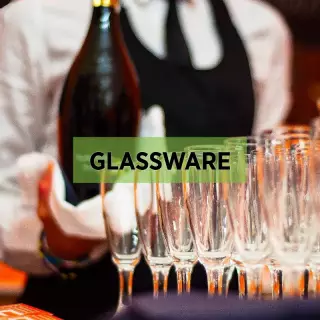
Commercial dishwashers operate at temperatures significantly higher than domestic machines. The rinse cycle typically reaches 80°C or above. This intense heat removes grease and kills bacteria that a standard home dishwasher might leave behind. After washing, staff stack the crockery hire items by size in clean crates. Glassware undergoes a polishing process, either by hand or using a specialised machine, before packing.
Any piece showing signs of damage, such as chips, cracks, or cloudiness, leaves our active stock. A chipped wine glass presents a clear safety hazard. We never risk sending such an item to an event. You can take advantage of our "Send It Back Dirty" service, allowing you to return plates and glasses unwashed while we handle the cleaning.
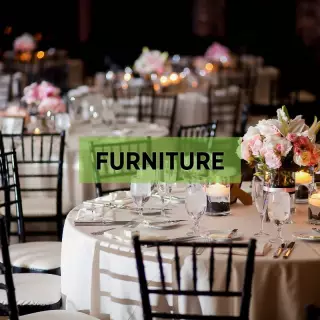
Staff wipe down chairs and tables after each booking. We check the stability of every leg and note any minor scuffs. Any chair with a broken joint, a bent frame, or a cracked seat goes immediately to our repair workshop or faces disposal. These items stay out of our active inventory until our team restores them to a safe and presentable condition.
Booking furniture requires confidence in the supplier's maintenance standards. Understanding the inspection history of your specific order provides valuable peace of mind. We also require no security deposit on standard orders, keeping your budget clear.
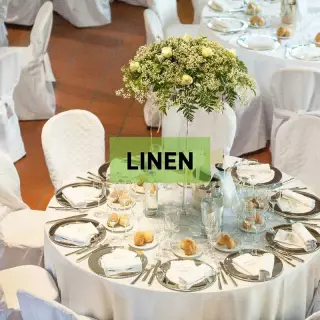
All our tablecloths, napkins, and other linen hire items pass through commercial laundry facilities between each booking. Commercial laundries use higher temperatures and stronger washing cycles than domestic machines. Crucially, they also press items before returning them to stock. Before any linen goes back onto our shelves, staff conduct a final inspection for stains. Any item failing to come out completely clean in the wash retires from our inventory rather than travelling to another event.
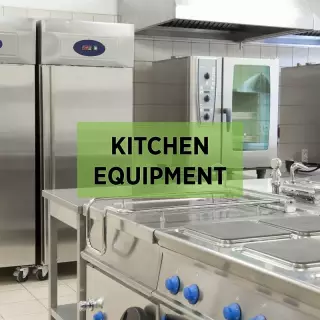
All electrical catering equipment undergoes regular Portable Appliance Testing (PAT) on a fixed schedule. High-use items, such as fridges, hot plates, and urns, face checks more frequently than the standard annual requirement. Non-electrical items receive a deep clean and sit in dry storage to prevent rust and contamination. Any unit failing a PAT test leaves the active inventory immediately. Maintaining high quality catering equipment value hire standards requires constant vigilance across all product categories.
Consider a tablecloth you purchased yourself three years ago. It has likely been through your domestic washing machine dozens of times. Its colour may have faded slightly, and its edges might show some wear. You probably stopped noticing these gradual changes because they happened over a long period.
Hire companies must replace damaged or worn items regularly. This is not a choice but a necessity. A customer receiving a tatty tablecloth will complain, and rightly so. Our business model relies on supplying equipment that looks and functions as if it were new for every single event. This commitment to quality means we invest heavily in maintenance, repair, and timely replacement of our stock. Every order includes a Free Minor Damage Waiver, covering accidental scratches or breakages. Delivery starts from £40 ex-VAT, calculated by road distance from your nearest depot. Prices and live stock levels display directly on the site. Add your required items to the basket and confirm your dates online.
Choose from our vast range of catering hire, furniture hire and exhibition hire products. Select from the categories listed below or use our great search function above.