For most event organisers, deciding between hiring and buying equipment comes down to frequency of use, storage capacity and budget. This guide covers the key factors to help you make the right call.
For most event organisers, deciding between hiring and buying equipment comes down to frequency of use, storage capacity and budget. This guide covers the key factors to help you make the right call.
For most event organisers, the decision between hiring and buying equipment comes down to frequency of use, storage capacity and budget. This guide covers the key factors to consider so you can make the right choice for your event.
Whether you are hiring equipment or booking a service provider, the contract terms matter. Hiring agreements vary between suppliers, and it is worth understanding what you are liable for before you sign. Does the hire include delivery and collection? What is the damage liability? Is there a minimum hire period?
For services such as bar packages or catering, look for minimum spend clauses, corkage charges and per-head requirements that may not be visible in the headline pricing. Understanding the full cost before committing prevents budget surprises later.
If a minor damage waiver is available from your hire company, it is usually worth taking. It protects you from the cost of individual broken or damaged items and reduces the pressure during a busy event.
Budget overruns are a standard feature of event planning. Setting aside 5-10% of your overall budget as a contingency means you can handle unexpected costs without disrupting the rest of the event. This covers last-minute equipment additions, emergency repairs or any gaps that only become apparent on setup day.
A contingency fund also gives you the flexibility to take advantage of options you did not originally plan for: a piece of furniture hire that suits the space better than your original choice, or additional catering equipment that improves service flow.
Fixed costs, such as the hire of furniture or catering equipment, are straightforward to plan for. Variable costs are harder to predict. A free bar, a growing guest list or upgraded photography all affect the final bill in ways that are not fixed at the time of booking.
List all your expected costs and categorise them as fixed or variable. For variable costs, use a generous estimate rather than an optimistic one. Reviewing this list regularly in the weeks before the event lets you spot areas where costs are likely to run over and adjust in advance.
Hiring equipment through a single supplier that offers a full range significantly reduces the complexity of coordinating an event. When furniture, catering equipment, linen and glassware all come from one company, delivery is coordinated, quality is consistent and there is a single point of contact for any issues.
All-inclusive packages also tend to offer better value than hiring individual items from multiple suppliers. For larger events with complex requirements, the saving on logistics and coordination can be as significant as the saving on individual item prices.
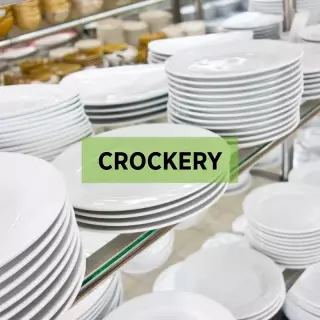
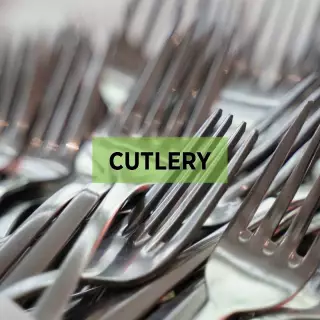
Distinguish clearly between what your event requires and what would be a nice addition. Essentials like crockery, cutlery and linen are non-negotiable for a seated dinner. A photo booth or elaborate decorations may enhance the event, but they are not what makes a gathering work. Covering the basics well is more effective than spreading budget thinly across a long list of extras.
Once the essentials are covered and within budget, assess whether remaining budget is better spent on quality upgrades to core items or on additional extras.
Buying equipment is rarely the right choice for events that happen once or infrequently. The purchase price is not the true cost: add storage, maintenance and the depreciation of items that may not be used again, and hiring almost always works out cheaper for single-use scenarios. For regular or high-volume use, our sister company Expo Direct sells the same commercial-grade equipment outright.
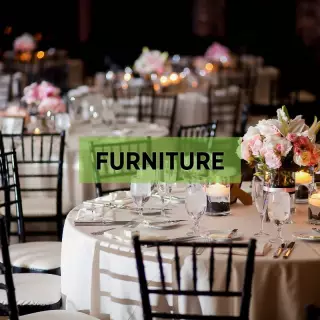
Hiring also gives you access to a wider range of equipment than you could feasibly own. Rather than compromising with something you already have, you can hire the right item for each occasion. We offer furniture, catering equipment and linen hire in a range of styles to suit different event types and budgets.
Is it more cost-effective to hire or buy event equipment?
For one-off or infrequent events, hiring is almost always more cost-effective. It eliminates storage, maintenance and depreciation costs, and you are not committed to items that may not suit your next event.
What are the benefits of all-inclusive hire packages?
All-inclusive packages reduce the number of suppliers you need to manage, ensure consistency in quality and presentation, and often offer better value than hiring equivalent items individually.
How can I avoid overspending when planning an event?
Prioritise essential items first, build a contingency fund of 5-10% of your budget, and review variable costs regularly in the lead-up to the event.
Why is a contingency fund important for event planning?
Unexpected costs arise in most events. A contingency fund means you can handle them without disrupting the overall plan or compromising other areas of the budget.
What should I consider when hiring catering equipment for an event?
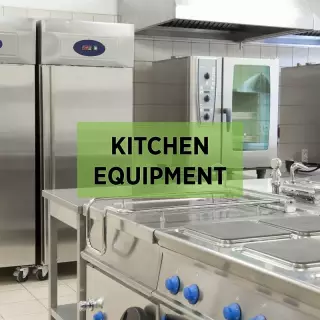
Consider the scale of your catering operation, the specific equipment your menu requires, and whether hiring from a single supplier for both catering equipment and other event items will simplify coordination.
Choose from our vast range of catering hire, furniture hire and exhibition hire products. Select from the categories listed below or use our great search function above.