<p>The UK pop-up food scene has expanded beyond basic street food stalls into highly curated supper clubs and temporary restaurant residencies. Organisers must reconcile ambitious menu concepts with the constraints of temporary spaces. Because temporary venues often lack professional kitchens and back-of-house facilities, careful equipment planning determines how efficiently a service runs. Expo Hire provides the professional-grade infrastructure required to convert unconventional sites into functional dining rooms.</p>
<p>The UK pop-up food scene has expanded beyond basic street food stalls into highly curated supper clubs and temporary restaurant residencies. Organisers must reconcile ambitious menu concepts with the constraints of temporary spaces. Because temporary venues often lack professional kitchens and back-of-house facilities, careful equipment planning determines how efficiently a service runs. Expo Hire provides the professional-grade infrastructure required to convert unconventional sites into functional dining rooms.</p>
Securing catering equipment hire for a pop up restaurant or supper club gives you the commercial-grade infrastructure needed to turn unconventional sites into functional dining rooms. The UK pop-up food scene extends beyond basic street food stalls into highly curated temporary restaurant residencies. Organisers must reconcile ambitious menu concepts with the constraints of temporary spaces. Because these venues lack professional kitchens and back-of-house facilities, careful planning determines the success of your service.
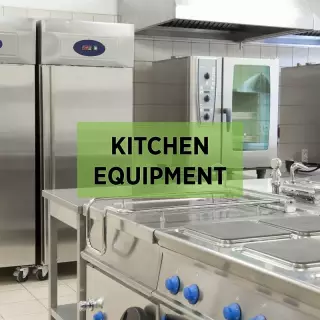
Most venues lack the industrial cooking capacity necessary for professional service. Before ordering ovens or burners, measure your floor space and power supply. Standard commercial appliances typically need 32-amp or 63-amp power feeds. Always check venue connections before booking heavy-duty electric equipment.
Work surfaces and storage remain the most overlooked elements in a temporary kitchen. Stainless steel prep tables provide a hygienic surface for plating and food preparation. A standard 1200mm or 1500mm prep table offers enough space for two chefs to work side by side. Allocate one square metre of clear prep space for every ten covers so staff move safely during peak service.
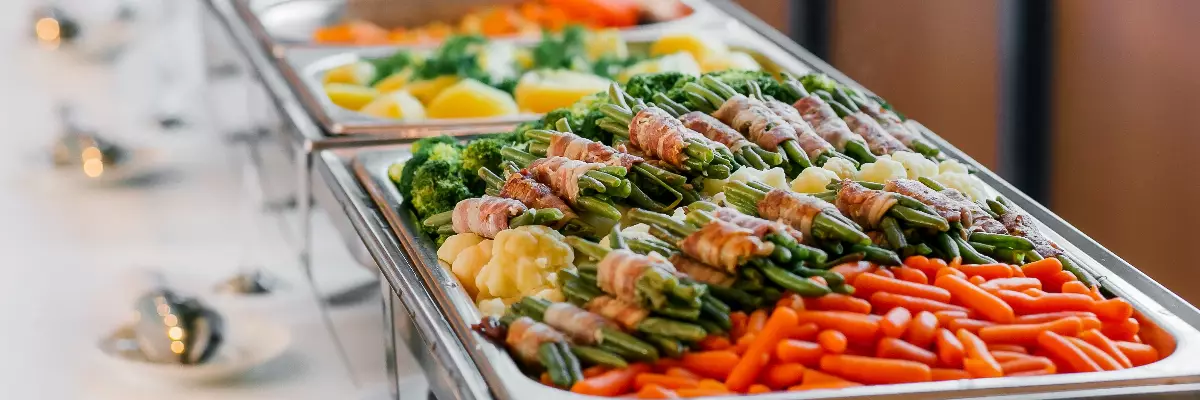
Serving hot food to multiple guests simultaneously requires precise temperature management. Chafing dishes keep sauces and proteins at food-safe temperatures for extended periods. Organising a buffet or a multi-course tasting menu means calculating one chafing dish for every 15 to 20 guests for main courses. Keep a steady supply of fuel canisters on hand, as each one typically burns for two to three hours.
Menus involving cold starters or desserts demand attention to the ambient temperature of your venue. In a converted warehouse or outdoor marquee, ambient heat compromises delicate cold dishes in minutes. Portable refrigerated cabinets maintain safe storage temperatures regardless of the climate. Monitor these temperatures with an independent thermometer every hour to comply with food safety regulations.
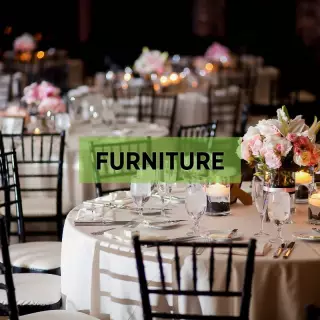
Dining room flow dictates the guest reception as much as the food itself. Choose tables based on the dimensions of the room and the desired guest density. A standard 180cm rectangular table seats six guests, allowing 60cm of width per person. Venues featuring tight corners or limited floor space benefit from poseur tables combined with bar stools, creating a social atmosphere requiring less square footage than traditional dining sets.
Factor in circulation space for waiting staff during floor plan plotting. Leave at least 90cm between the backs of occupied chairs to allow staff to carry plates through the room. Crowded layouts often result in dropped plates and frustrated service staff. High volumes of guests require chairs that stack without effort, letting you adjust the room configuration before the event starts.
Table settings establish the tone for your dining event. Heavy-duty glasses reduce breakages during busy shifts. Calculate your glassware hire requirements by multiplying the number of guests by the course count, then adding a 20% buffer for breakages or spills. This buffer prevents a shortage during service. Expo Hire includes a free minor damage waiver on every order, covering accidental chips and cracks.
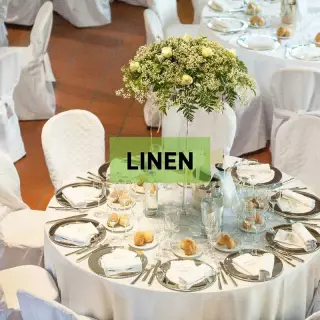
Tablecloths offer a practical way to cover scuffed tables in hired venues. Choosing tablecloths means checking the drop length of fabric hanging over the edge reaches at least 20cm to 30cm. Measure your table dimensions accurately and add double the desired drop length to both the table length and width. Clean linen hire masks the temporary nature of the furniture underneath.
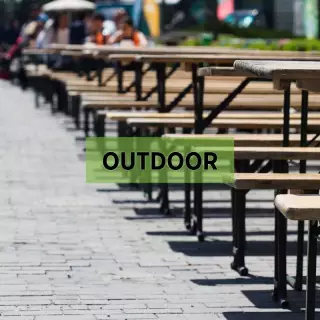
Many operators move their concepts into outdoor spaces or gardens during the summer months. Moving your dining event outside means your equipment needs protection from the elements. Use gazebos to cover the kitchen area and the guest seating. A 3m x 3m gazebo houses a small serving station, while larger configurations cover significant dining areas. Secure all outdoor structures with heavy-duty weights, as wind moves heavy furniture left unsecured.
Coordinating delivery and collection requires precision. Most venues offer restricted loading windows. Expo Hire calculates delivery from £40 ex-VAT based on road distance from the nearest depot, with live vehicle tracking and SMS ETA on the day.
Success in a temporary environment depends on preparation. Treating the venue as a blank canvas and sourcing the correct catering equipment hire for a pop up restaurant or supper club builds a functional system. Expo Hire operates a "Send It Back Dirty" policy, meaning you return crockery hire and cutlery hire unwashed. Prices and live stock show directly on the site with no security deposit required. Add your chosen items to the basket and confirm your dates online.
Choose from our vast range of catering hire, furniture hire and exhibition hire products. Select from the categories listed below or use our great search function above.