A well-specified mobile bar changes a drinks reception from a queue with bottles on a table into a service point that looks sharp and works fast. The bar unit, the back-bar setup, the glassware count and the ice plan all affect the guest experience long before the first drink is poured.
Bar hire on its own is only the frame. You still need to work through service style, staffing, licensing and the route for empties and restocking. This guide breaks the job into the parts that matter so you can order the right equipment and avoid the usual misses.
Straight bar units are the most versatile option. They suit indoor venues, marquees and conference spaces because they fit against a wall or float in the middle of a room. They also give you clean front branding space if the event has sponsors or a house style to follow.
Curved and L-shaped bars create a stronger focal point. They work well in corners, entrance spaces and premium lounges where the bar needs to look like part of the set rather than a functional service desk. Fold-flat portable bars solve smaller venues, garden parties and temporary outdoor setups where speed matters more than visual bulk.
Choose the unit against the service direction. If guests will approach from one face only, a straight bar keeps the footprint small. If the bar needs to serve from two faces or wrap a corner, a curved or L-shaped setup will move the line better.
The front bar catches the eye, but the back-bar setup carries the service. Shelving holds bottles, display pieces and spare glassware. Refrigeration keeps white wine, beer and mixers cold. Speed rails hold the bottles bartenders reach for every few seconds. Without those pieces, staff end up working from cardboard boxes behind the counter.
Set the back bar in zones. Put wine and beer in the coldest area. Put high-volume spirits in speed rails. Hold soft drinks, garnishes and water close to the first mixing point. If the event includes table wine service as well as bar service, keep that stock on a separate trolley or shelving bay so the bar staff do not fight the floor staff for space.
A back bar also needs safe waste management. Give the team a hidden spot for empty bottles, broken glass tubs and a drip tray. A tidy back bar protects speed and keeps the front of house looking controlled.
Ice is the bar item customers underestimate most. A four-hour event needs about 1kg of ice per person. A summer outdoor event can need 2kg per person once you count chilling stock, filling ice wells and serving drinks over ice. If the day is hot and the event is outside, buy for the upper end of the range.
Ice bins and dispensers stop the service point from turning into a wet pile of open bags. They also reduce waste because staff can work from a covered store instead of ripping into fresh bags every ten minutes. Expo Hire does not supply ice, but the team can point you towards local suppliers when you place the order.
Store reserve ice away from the guest face. A full bag stack in view of the bar can make a premium setup look temporary. Put the reserve behind the back bar, in a cold room or in a separate service area if the venue allows it.
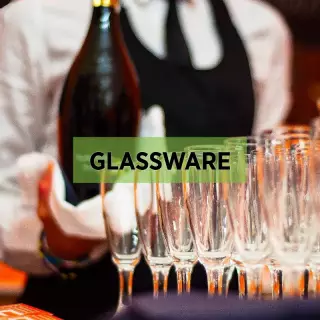
Glass counts need a margin because service speed depends on having clean stock in reach. For a four-hour event, allow two to three wine glasses per person, one to two champagne flutes per person, 1.5 pint glasses per person and one highball per person if the event includes spirits or long drinks. Then add 20% over the count because breakage and slow returns are part of live bar service.
Guests do not return glasses in a neat cycle. Some keep one all evening. Some leave them on ledges, garden walls and poseur tables. That means your working stock needs to cover the visible room plus the hidden stock sitting in corners. The right answer is almost always a modest over-order, not a perfect theoretical count.
If you need to build the full drinks service, pair the bar order with glassware hire and keep the glass style consistent across the room. A polished bar with mixed random glassware loses impact fast.
Bar hire is equipment only, so staffing stays with the customer or the appointed caterer. For a 100-person event, plan for at least two bar staff. For 200 guests, use three to four. Keep one experienced bartender per bar unit where possible so one person controls service pace, stock calls and age-check discipline.
Queue length gives you the best test of staffing. A premium bar unit cannot hide a weak team. If the event serves cocktails, uses card payments or runs a cash bar at festival pace, add staff above the baseline. If the event is wine, beer and soft drinks only, the team can move faster with fewer hands.
Give the staff a clear brief on stock storage, waste points, licensing rules and the route for replenishment. Fast bars run on prep, not on heroics.
Any event that sells alcohol needs the right licence in place. In many cases that means a premises licence or a Temporary Event Notice. A TEN costs £21 and the application needs to land at least 10 working days before the event. That is the bare timetable, not a comfort margin, so do not leave it to the final week.
Responsibility sits with the organiser, not the equipment supplier. Check the latest rules on gov.uk and make sure the named licence holder understands the event hours, the guest numbers and the site plan. If the venue already holds a premises licence, confirm what that licence covers before you assume the bar can trade.
Weddings often need a champagne reception, wine service with dinner and an evening bar that can switch to mixed drinks after speeches. Festivals need volume, speed and durable stock control. Corporate events often need wine, beer and soft drinks with room for branding on the bar front. Each event type changes the equipment emphasis, but the structure stays the same: front bar, back bar, glassware, ice and a clean staffing plan.
Build for the busiest 30 minutes, not the average hour. The queue at 7pm matters more than the quiet spell at 9pm. If guests hit the bar in one wave after a ceremony or keynote, add service points and glass stock for that wave or the first impression will be poor.
Before you book, confirm where the bar sits, which side guests approach from, where the back stock goes, how the empties move out and where the power points are for any refrigeration. If you also need poseur tables, lounge seating or bar stools, add them through bar hire and furniture hire so the whole area lands as one plan.
A bar that looks simple from the guest side has a lot going on behind it. The more detail you lock down before delivery day, the faster the first drink hits the counter.
No. The hire covers equipment. You arrange the bar team or appoint a caterer or hospitality company to run the service.
Glassware is usually hired as a separate line so you can match the count and style to the drinks list.
Yes, many bar fronts can take branding or sit within a wider event set. Confirm artwork needs and lead time when you plan the job.
Check the live listing for the date and route, but most event bar hires are priced around the event period rather than by the hour.
"Delivery and collection on time. All as expected"
"Delivery and collection very good chairs could have been cleaner"
Read more genuine customer reviews →
For current stock and pricing, see our bar hire page.