Professional catering equipment keeps food at the right temperature, takes pressure off the kitchen and gives the buffet line a clean, ordered look. The kit you choose affects food safety, service speed and how polished the event feels once guests start queuing.
You do not need a giant order to run a strong service. You need the right holding equipment for the menu, the right power plan for the venue and a clear count for your guest numbers. This guide covers the main items event caterers book, how they work and how many to order for a live event.
Chafing dishes are the backbone of buffet service. Each unit uses a water pan under a food pan, with heat supplied by fuel or an electric base depending on the model. That water layer softens the heat, which helps hold curries, rice, casseroles and vegetables without catching the bottom or drying the edges as fast as direct heat would.
A full-size gastronorm pan in a standard chafing dish holds about 8 to 9 litres and will usually serve 50 to 60 portions, depending on the dish. Dense sides such as rice or potatoes go further. Sauced mains and carved meats can move faster. If you need a closer look at the range, see our chafing dish hire page.
Fuel-fired dishes suit venues where you need flexibility on table position and do not want trailing leads in the guest area. Electric models suit venues with a fixed buffet run and reliable nearby sockets. Fuel gives you fast setup. Electric gives you longer hold times without fuel changes. Pick the heat source that fits the room, not just the menu.
Hot cupboards hold pre-plated meals, trays or serviceware at temperature before service starts. They are the workhorse for banquets, carving stations and plated weddings where the kitchen needs a buffer between final prep and guest service. Most models are electric and need a standard 13A socket, so check where the service area sits before delivery day.
Hot plates cover the final stretch of service when chefs need one warm landing spot for plated meals. They help on canapé stations, action cooking lines and buffet sections where dishes leave the pass in waves. A hot cupboard keeps the whole batch safe. A hot plate keeps the next run ready.
Do not treat either item as a cooking appliance. Their job is to hold safe temperature and smooth the service pattern. If the food lands in the cupboard too early, quality drops. Caterers get the best result when they load the cupboard close to service and rotate trays in a strict sequence.
Bain maries hold sauces, gravies, soups and sides in a water bath. The gentle heat makes them useful for items that split, skin over or catch when held on a direct plate. Most event models accept gastronorm pans, which means you can mix 1/3, 1/2 and full-size containers to fit the menu.
Use bain maries when guests or staff will serve in short bursts across a long period. They suit breakfast buffets, carvery lines, hot dessert stations and service points where the food needs to stay open without losing texture. Keep the water level up and keep the lids on when the line is quiet. Those two habits preserve more heat than any dial adjustment.
The difference between a bain marie and a chafing dish is service scale. A chafing dish presents one main menu item on the buffet front. A bain marie often supports sauces, sides or back-of-house holding where you need multiple smaller compartments.
Tea and coffee service breaks down fast if the water supply is weak. Water urns and boilers solve that by giving you a controlled, portable source of hot water for guest self-service or a staffed drinks point. Common sizes are 10L, 20L and 30L. A 20L urn serves about 80 cups, which makes it the normal starting point for medium events.
One urn can cover a breakfast briefing or a modest funeral tea. Larger conferences, church events and school functions often need two so one can recover while the other pours. If guests expect espresso-based drinks rather than tea and instant coffee, direct them to our coffee machine hire options instead.
Plan the cups, milk point, sugar station and waste bin at the same time as the urn. A well-sized urn still creates queues if the condiment station sits in the wrong place or if the cups are stacked behind the unit instead of in front of it.
For a 100-person buffet, a solid working order is four to five full-size chafing dishes, one per hot dish with one extra held back for contingency or menu change. Add one hot cupboard if the kitchen plates mains in advance. Add two urns for tea and coffee service. Add two or three bain maries for sauces, gravy or soup.
Guest numbers tell only half the story. Menu style matters more than raw headcount. A fork buffet with two hot mains and one rice side needs fewer units than a carvery with roast meats, potatoes, seasonal vegetables, sauces and a vegetarian option. Count the service points, then count the dishes inside each service point.
If the event runs over multiple sittings, you may need fewer display pieces and more holding pieces. A school awards dinner with two service windows can rotate the same buffet frontage. A one-shot wedding breakfast cannot. Order for the service pattern, not the guest total alone.
Most venues can supply enough sockets for a standard catering equipment order, but the loading on each circuit still matters. Ask the venue where the catering ring sits and whether the room shares power with a stage, DJ or mobile bar. Some venues also ask for a PAT test certificate before they allow the kit onto the floor.
| Item | Typical power draw | Note |
|---|---|---|
| Hot cupboard | 2.0 to 3.0kW | Usually one 13A socket per unit |
| Electric chafing dish | 0.8 to 1.2kW | Check lead runs before layout |
| Bain marie | 1.2 to 2.0kW | Water bath takes time to heat |
| 20L urn | 2.4 to 3.0kW | Allow time for first heat cycle |
Put the power plan on paper before setup. Mark each socket, each lead path and each item. That avoids the last-minute scramble where a hot cupboard lands on the far side of the room from the only spare socket.
Get the catering equipment into position before guests arrive and before the food leaves the kitchen. Fill chafing dish water pans before the food arrives, not after. Position the buffet away from the main pedestrian flow so guests can queue without blocking doors, bars or the dancefloor. If the venue has one obvious bottleneck, keep the food station away from it.
Hold spare utensils, serving spoons and ladles behind the line. Put labels on dishes before service starts. If a dish must stay allergen-free, keep a separate serving spoon with it at all times. Equipment hire gives you the frame for a safe service, but the caterer still needs a clear discipline on top of it.
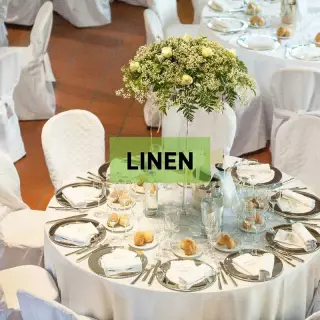
Before you place the order, list the menu, guest count, venue power points, access time and service start time. Add serving utensils, extension leads, table linen and a waste plan. If you also need buffet tables, linen or glassware, keep the whole order together through catering equipment hire, linen hire and glassware hire.
A clean list saves cost. Missing one urn or one extra chafing dish can force a rushed second run on the day. Over-ordering ten large pieces can eat the kitchen budget without improving service. Match the kit to the menu and the room, then book with a short reserve.
They use a water pan under the food pan, heated by fuel or electricity. The water bath holds a steady temperature and protects the food from harsh direct heat.
Check the product listing for the model you choose. Some setups include fuel and some require it as a separate line, so confirm before you place the order.
A chafing dish presents a main buffet item on the front line. A bain marie uses a water bath with multiple gastronorm compartments, which suits sauces, soups and smaller hot items.
Yes. Private parties, weddings, funerals and family celebrations all use the same commercial equipment range as corporate events.
"Very surprised that you could not provide everything we asked for. We ended up going to four companies in order to get all we wanted."
"Was worried about delivery as had problem last time but items were delivered as expected at a good time of day so no one was waiting around all day."
Read more genuine customer reviews →
For current stock and pricing, see our chafing dish hire page.