
The event rental market in 2026 is shaped by sustainability expectations, more eclectic furniture styling and the growing demand for outdoor and hybrid event formats.
The event rental market in 2026 is shaped by sustainability expectations, more eclectic furniture styling and the growing demand for outdoor and hybrid event formats.
The event hire market has changed because client expectations have changed. Organisers now look past the core stock list and judge suppliers on speed, visibility, flexibility and finish. They want the booking process to feel clear, the stock to reflect current tastes and the service to match the pace of modern event planning. If a supplier cannot meet those expectations, the brief moves elsewhere.
That shift does not come from one trend. It comes from a group of linked changes across style, logistics and buying habits. If you plan events, manage a venue or run catering jobs, it helps to see how those changes affect the hire list you build and the supplier you choose.
Sustainability has moved from a bonus point to a standard question in many event briefs. Clients ask where products come from, how long they last and how the supplier handles transport and reuse. Hire already makes sense in that context because the same stock serves event after event rather than sitting in short-term private ownership. The point now is credibility. Organisers want suppliers whose stock care, transport planning and service model support that claim in practice.
That is one reason hire continues to win ground over purchase for one-off events. Corporate clients with published sustainability targets can point to shared-use stock as part of the decision. Venues and agencies can also avoid the waste that comes with buying for a single date and storing or discarding the result after the job ends.
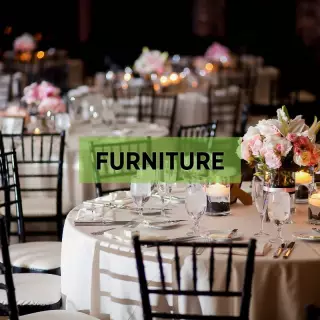
Event design has moved away from rigid matched sets across the whole venue. Many planners now mix finishes, shapes and seating styles to create a room with more texture and character. That can mean cross-back chairs near one dining zone, Chiavari chairs in another, or Tolix seating paired with upholstered pieces in a bar or lounge area.
This trend does not mean a room should feel random. It means planners use contrast with more intent. A single venue can now hold a formal dining layout, a lounge corner and a standing drinks area without every chair and table looking like part of one flat set. That pushes hire companies to maintain wider choice and stronger stock condition across more ranges.
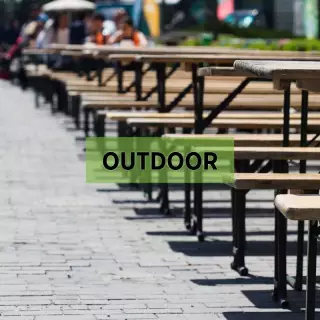
Outdoor and part-outdoor events still hold a strong place in the market. Garden parties, marquee weddings, rooftop drinks receptions and festival-style corporate days all need stock that works beyond a ballroom or conference suite. That keeps demand high for outdoor furniture, gazebo hire, outdoor heating and BBQ equipment.
Outdoor demand also changes the planning window. Organisers need options for sun, wind and rain within the same brief, which means the hire list has to cover shelter, seating, service and guest comfort in one pass. A supplier with range depth has an edge here because you can keep the order together instead of splitting it across many sources.
Booking behaviour has changed as much as event style. Organisers want live stock visibility, instant pricing and a checkout path that does not depend on a long quote cycle. Many clients now expect to place a large share of the order without a phone call. They also expect to see what is available before they commit the date elsewhere.
That is why digital tools now form part of the hire offer itself. Expo Hire supports that demand with a real-time stock system and live delivery tracking. Those tools do more than look modern. They remove uncertainty. You can see whether the stock is there, place the order on the site and follow the delivery on the day.
Intimate weddings, private dining events and compact corporate gatherings have pushed quality expectations upward on a per-head basis. When the guest list shrinks, organisers put more attention on what each guest sees at the table. That can mean stronger demand for premium glassware, sharper linen and more distinctive chair lines than a large budget event might choose.
For hire companies, that means range breadth matters as much as stock depth. You still need volume for large events, but you also need enough choice to support clients who want a tighter guest list with a stronger finish.
Many large events still book far ahead, yet organisers also want room to change quantities late in the process. Guest counts move, layouts change and weather can alter part of the brief. That favours hire companies with strong stock control and clear systems. If the supplier cannot absorb additions or adjustments with confidence, the client feels the strain at once.
Weekend coverage matters here as well. A market built around weddings, parties and weekend corporate events has pushed Sunday delivery and collection into the set of services many organisers expect. That expectation now shapes which suppliers make the shortlist.
Across all these shifts, one theme stands out. Organisers want control. They want to see the stock, understand the service and shape the event around products that fit the brief rather than settle for whatever survives a slow quote process. They also want a supplier who can cover mixed aesthetics, outdoor formats and changing numbers without adding friction.
Expo Hire delivers across England and Wales. If you want to build an order around current event demand, you can check live availability and place your order on the site.
Choose from our vast range of catering hire, furniture hire and exhibition hire products. Select from the categories listed below or use our great search function above.