<p>Planning a wedding menu involves logistical challenges beyond choosing the dishes. Wedding organisers must ensure the catering team has sufficient equipment to store, prepare, and serve food at the venue. Expo Hire supports professional caterers and couples managing their own logistics by providing industrial-grade equipment. This checklist covers the core requirements for a successful wedding catering setup.</p>
<p>Planning a wedding menu involves logistical challenges beyond choosing the dishes. Wedding organisers must ensure the catering team has sufficient equipment to store, prepare, and serve food at the venue. Expo Hire supports professional caterers and couples managing their own logistics by providing industrial-grade equipment. This checklist covers the core requirements for a successful wedding catering setup.</p>
Planning a wedding menu involves logistical challenges beyond choosing the dishes. Managing logistics means hiring catering equipment for a wedding a full hire checklist keeps your kitchen running. Professional caterers and couples managing their own events need industrial-grade gear to store, prepare, and serve food at the venue. This guide covers the core requirements for a functional setup. You can view live stock levels and prices directly on our website, booking everything online without a single phone call.
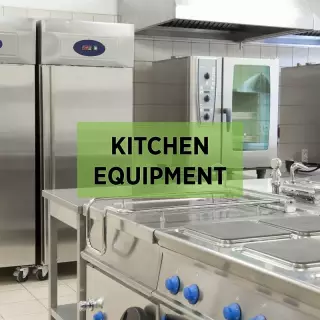
Perishable ingredients require stable temperatures before service. A domestic fridge rarely holds enough volume for a reception of 100 guests. Commercial-grade refrigeration units maintain food safety standards. These units typically measure around 60cm by 60cm for a standard upright fridge, but larger walk-in cold rooms provide more capacity for multi-course menus.
Holding food at safe temperatures until the moment of service prevents illness and maintains food quality. Chafing dishes provide a practical method for buffet-style service. One standard chafing dish holds approximately 8 to 10 litres of food, which serves roughly 25 to 30 people. Browse the chafing dishes category to match your service style.
Plated meals demand hot cupboards to keep plates warm and hold cooked food before waiters carry it to the tables. A single hot cupboard cabinet usually holds 50 to 60 plates. Check the electrical load of these units, as they frequently require heavy-duty power supplies.
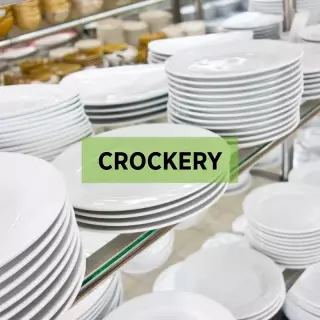
Tableware quantities require careful calculation. Do not count items based solely on the guest list. Always order 10% more glassware and crockery than the number of confirmed guests to account for breakages or accidental damage during the service. Our free minor damage waiver covers standard breakages on all orders. Standard requirements include:
Linens define the look of the dining space. Measure your tables before choosing your fabrics. A floor-length drape requires a tablecloth with a diameter at least 1 metre larger than the table diameter. Browse the tablecloths section to find sizes compatible with your chosen tables.
Catering teams need dedicated areas to store dirty dishes and prepare drinks. Poseur tables work well in the reception area for standing drinks and canapés. These tables typically stand at 110cm high. Evening receptions with a bar benefit from bar stools, but keep the ratio to one stool for every two guests to encourage movement.
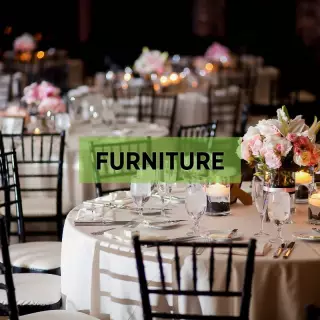
Your choice of chairs influences both comfort and floor space. Standard banquet chairs measure approximately 45cm in width. Calculate the number of chairs based on your floor plan to guarantee guests have enough elbow room. A rule of thumb suggests leaving a minimum of 1 metre between the edges of tables to allow staff to move freely between chairs. We require no security deposit on large furniture orders, helping you manage your budget.
Outdoor weddings introduce external variables like wind and uneven ground. Marquees and catering tents demand stable anchoring. The gazebos in our catalogue offer a defined prep area protected from the elements. Use a level sub-floor on soft ground, as heavy catering equipment sinks into grass or mud.
Power represents the most common issue in outdoor catering. Generators must provide a clean and consistent power supply. Calculate the total wattage of your ovens, fridges, and hot cupboards, then add a 20% buffer to avoid tripping the circuit breakers during peak cooking hours.
Coordinate delivery times with the venue manager. Most venues impose strict windows for equipment drop-off and collection. We require a clear site map and contact details for the person receiving the items. Aim to have all catering equipment in position at least four hours before the first food service begins. This allows the catering team to test power connections and set up the station layout without pressure. Delivery starts from £40 ex-VAT, calculated by road distance from the nearest depot. You will receive live vehicle tracking and an SMS ETA on the day.
Check all items upon arrival. Reporting missing or damaged items immediately allows us to rectify issues before your guests arrive. Count the equipment again during the collection phase to confirm everything remains accounted for, which prevents unexpected charges for missing items after the event. Our "Send It Back Dirty" service means you can return all crockery hire, glassware hire, and cutlery hire items unwashed. We handle the cleaning at our depot.
Focusing on these technical requirements early reduces the risk of service delays. Professional catering teams understand these calculations, so consult your head chef or catering manager when finalising your equipment list. They know the specific demands of the menu and can confirm if the selected items match the volume of guests. Remember that hiring catering equipment for a wedding a full hire package simplifies the entire process. Stock levels update in real time on our website. Select your hire dates to check availability and confirm your order online.
See the full range on our catering equipment hire page.
Choose from our vast range of catering hire, furniture hire and exhibition hire products. Select from the categories listed below or use our great search function above.