Chairs are the item hire customers miscount more than any other. Order too few and your venue team starts hunting for spares while guests walk through the door. Order too many and you pay for seats that stay stacked against a wall all day.
You need a working number before you look at chair style. Guest count matters, but service style matters just as much. A seated dinner needs a seat for every guest. A buffet, drinks reception or outdoor event often needs fewer. The sections below give you firm numbers you can use on live orders.
Use the event format first, then apply a small reserve. For a seated dinner, order one chair per guest and add 5% contingency. For a buffet, order chairs for 60 to 70% of total guests because a share of the room will eat standing, move between stations or drift to soft seating. For theatre-style rows, order one chair per guest and allow 10% of the room to stand at the back if you need to hold space open. For classroom-style layouts, order one chair per delegate and one per trainer.
The reserve matters because late RSVPs, venue staff requests and uneven guest tables all push the count up. If your guest list sits at 96, do not order 96 chairs and hope every table lands cleanly. Order 100 for the floor plan, then add five spare. The spares protect you against last-minute changes and give your venue manager room to solve problems without rewriting the layout.
| Event format | Base formula | Reserve |
|---|---|---|
| Seated dinner | 1 chair per guest | 5% |
| Buffet | 60 to 70% of guests | 5% |
| Theatre style | 1 chair per guest | 10% standing room |
| Classroom style | 1 chair per delegate plus 1 per trainer | 5% |
| Boardroom | 1 chair per person | 2 spare |
Keep access in mind before you place the order. A ballroom with one narrow loading bay needs a tighter count than a hotel suite with spare storage nearby. If the venue can store ten reserve chairs outside the main room, take them. If every spare chair will sit in guest sightlines, trim the reserve and rely on tighter RSVPs.
Table size controls the chair count, not the other way round. A 5ft round table seats 8 to 10 guests. A 6ft round seats 10 to 12. A 5ft trestle seats 8 to 10 with four guests on each side and one at each end if the room allows it. A 6ft trestle seats 10 to 12 with five guests per side. Treat the top end of each range as the hard ceiling, not the target.
Guests need elbow room. Service staff need a clear path to set glasses, clear plates and top up wine. Push beyond the maximum and the table stops working. Chairs knock together, napkins drop to the floor and your caterer starts reaching across guests. A slightly lower seat count gives you a better room and a smoother service.
| Table type | Typical capacity | Comfort note |
|---|---|---|
| 5ft round | 8 to 10 | 8 is generous, 10 is full |
| 6ft round | 10 to 12 | 10 suits plated dining, 12 suits tighter banquet layouts |
| 5ft trestle | 8 to 10 | Four per side works best |
| 6ft trestle | 10 to 12 | Five per side with space at each end if needed |
Leave a standard gap of 45 to 50cm between chair centres on a round table. That spacing gives each guest enough width for cutlery, place cards and side conversation. If you need to squeeze the room, cut tables before you cut chair spacing. Guests notice cramped seating faster than they notice one less floral arrangement.
Wedding numbers change across the day, so count each phase on its own. Ceremony seating needs one chair per guest, plus seats for the registrar, musicians and any older relatives who need space near the aisle. Wedding breakfast seating needs one chair per guest, chairs for the top table and a small reserve. Evening reception numbers often rise, but the share of guests who need seats falls once the room shifts to drinks and dancing.
A typical UK wedding sits between 80 and 120 guests for the meal and 150 to 250 for the evening reception. For a 100-person wedding breakfast, start with 100 guest chairs in the room. Add 20 chairs for the top table, registrar table, musicians, side seating and any ushers who need a fixed place. Add five extras in reserve. That takes the order to 125 chairs, which fits the brief for the room without leaving you short when the planner adds two extra places the night before.
Split the count by area if the ceremony and meal happen in separate spaces. A venue may move chairs from the ceremony to the breakfast room, but that plan only works if you have staff, time and a clear route. If the turnaround window sits under 90 minutes, many planners order separate ceremony chairs and breakfast chairs to avoid a rushed room flip.
Theatre-style conference seating is the cleanest count. Order one chair per delegate, then leave standing room at the back and sides for late arrivals, photographers and venue staff. Classroom-style rooms need one chair per delegate and one per trainer, plus enough table space for laptops and note pads. Boardroom layouts are one chair per person. Cabaret layouts use rounds with a half-moon seating pattern, so six chairs per table is the standard working number.
Add 10% for latecomers and VIP spares on conferences, training days and seminars. Corporate events change fast. A client brings two extra directors, a speaker adds an assistant, or the organiser opens a wait list after the first release sells out. Ten spare conference chairs stacked at the side of the room solves that problem at low cost.
Row spacing matters as much as seat count. Keep 90cm behind each occupied chair in a theatre layout if guests need to exit mid-session. In classroom layouts, give each delegate enough width for a chair, a laptop and a drink. If the room forces tight gangways, cut one table row and keep the circulation space. Delegates judge the event by comfort before they judge the slide deck.
Outdoor events need a larger reserve because the ground and the weather change the plan. Folding chairs and chairs with larger foot pads cope better on grass. Narrow chair legs can sink into soft ground after rain, which changes sightlines and leaves rows uneven. If the venue sits on gravel, paving or a firm terrace, you have more freedom on style.
Add 15% contingency for outdoor events where weather can push guests under cover with little warning. A drinks reception on a lawn may turn into a seated service inside the marquee. That change does not leave time for a second delivery. Build the spare count into the first order and keep the reserve stacked under cover until the plan settles.
Check the route from vehicle to setup point before you choose the chair. A field with a long carry and no hard track will slow a heavy banqueting chair drop. Folding chairs move faster and need less labour. If the event shifts to a terrace after dark, you may also need spare chairs around heaters and smoking areas, which do not appear on the first floor plan.
Expo Hire guarantees every order before payment, so you know the stock is there before the job lands in your diary. That removes one risk from the count. If you still need to add chairs after the first order, call or use live chat and check availability against your date and postcode. We can often fulfil additions within 24 hours when stock and routing allow it.
The best protection is a clean order note. State the guest count, room format, venue access window and any spare chairs you want held off the floor. If the event has separate ceremony, dining and evening phases, list each one. That gives the operations team a clear picture and reduces the chance of ordering one neat number that does not fit the real schedule.
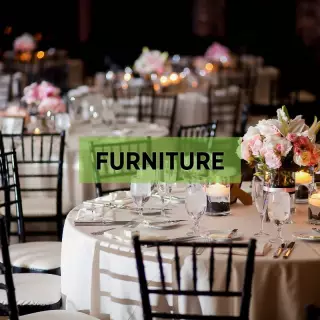
Style choice follows the seating plan. Chiavari chairs suit weddings and formal dinners because they photograph well and keep a slim footprint. Stacking conference chairs suit seminars, awards and meetings where crews need to move large volumes fast. Folding chairs suit outdoor ceremonies, school halls and overflow seating. Banqueting chairs suit gala dinners and higher-volume formal service where padded comfort matters. You can review the main options on our chair hire page.
Match the chair to the event load. A folding chair solves a garden ceremony count, but it will not give a black-tie dinner the right finish. A Chiavari chair looks right at a wedding breakfast, but it can slow a crew that needs to build 800 theatre seats in one hour. Capacity planning and visual planning need to work together.
Lock the chair count after the venue signs off the plan, not after the first guest estimate. Ask your caterer how many service aisles they need. Ask the venue where spare chairs can sit out of sight. Keep the chair style on the same order as your tables so the crew can check the room as one job. If you need tables, glassware or linen as well, keep them together on the same account through furniture hire, glassware hire and linen hire.
Small counting errors grow once they hit the floor plan. One extra chair on each of ten tables means ten chairs you did not need. One missing chair on each table means the planner spends the first half hour of setup rearranging place settings. Do the maths once, add the right reserve, then order with a clear margin.
Yes. List each table type and quantity on the same order so the pack list matches the room plan. Mixed rounds and trestles are common on weddings, conferences and awards dinners.
Allow about 45 to 50cm between chair centres. That spacing gives guests enough room for cutlery, glassware and service access.
Book as soon as your date and venue are fixed, especially for summer weddings, Christmas events and large conferences. Popular chair styles move first on peak weekends.
Yes, subject to stock and route availability. Contact Expo Hire with the extra quantity and venue details and we will confirm what we can add.
"Quick and easy in terms of quotation etc. Managed to speak to the team when had queries, and the team delivered furniture as promised without issues."
"Quick and easy to order and delivery al good"