<p>A conference has more moving parts than a wedding or party. Here is everything to plan for, from registration through to the last coffee break.</p>
<p>A conference has more moving parts than a wedding or party. Here is everything to plan for, from registration through to the last coffee break.</p>
Conference hire covers more ground than most events. Delegates arrive expecting a clear registration process, a room that works the moment the first session starts, seating that stays comfortable for hours, and catering that appears on time without disrupting the schedule. If one part falls behind, the whole day feels less organised than it should. A simple checklist helps you catch the practical pieces before the event week turns into a scramble.
The easiest way to plan a conference is to follow the delegate journey. Start at the entrance, move through registration, then look at the main session room, presentation setup, catering breaks and any supporting spaces such as breakout or networking areas. That approach keeps the order grounded in how people will use the venue rather than in a loose shopping list of furniture and equipment.
Registration sets the tone for the whole event. If guests arrive to a clear welcome point, a tidy queue and staff who have the right surfaces to work from, the conference starts smoothly. If the entrance feels improvised, delegates notice it straight away. You should think about what happens in the first ten minutes after arrival. Where do guests stop, check in, collect badges or directions, and move into the venue?
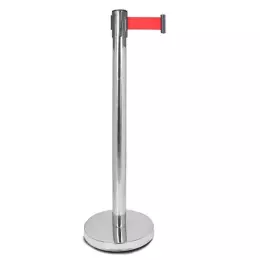
A reception or registration desk should sit where people naturally look when they enter. Bar stools or chairs help staff who are working there for a long stretch rather than standing through the whole arrival period. Signage stands or poseur tables can support welcome materials, guest lists, printed schedules or quick wayfinding. If the event expects a concentrated arrival period, leave enough room for a queue to form without blocking the entrance.
Main session seating needs to match the format of the day. A short product launch with one keynote has different needs from a full-day training session or annual conference. If delegates are sitting through sessions longer than an hour, padded conference chairs usually make more sense than folding chairs. Comfort affects concentration more than many organisers expect, especially later in the day.
If delegates need to take notes, use laptops or work through materials, plan tables as well as chairs. Trestle or banqueting tables can support classroom, cabaret or boardroom-style layouts depending on the venue and the event. A lectern or podium gives speakers a clear focal point and helps the room feel structured. Even if some presenters prefer to move around, a lectern still supports introductions, housekeeping notes and formal openings.
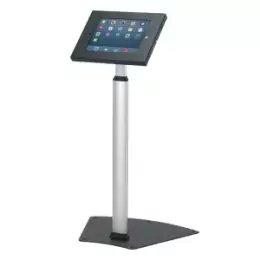
Presentation equipment only helps if it fits the room properly. Pull-up projector screens can work well where the venue does not already provide the right display setup. iPad stands can support sign-in, live feedback points, digital agendas or sponsor interaction. They are small details, but they can improve how the event works around the edges of the main session.
Power and cabling deserve a proper check before the event day. Look at where the screen, lectern, laptops, tablets and any support desk will sit. Then look at the nearest sockets and the routes cables will need to take. A layout that looks fine on paper can become awkward fast if it forces power leads across walkways or leaves the speaker area short of access.
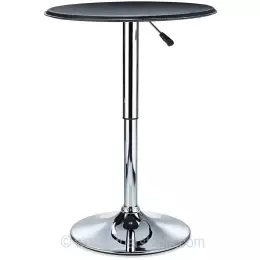
Conference breaks need enough structure to keep people moving without making the venue feel over-furnished. Poseur tables work well for tea and coffee breaks because they give delegates somewhere to place drinks while keeping the room informal and easy to circulate through. That suits short networking windows much better than a heavy seated layout.
If food is served on-site rather than by an external caterer, think about the practical equipment behind the scenes as well as the guest-facing surfaces. Service points, hot drinks, cold storage and lunch presentation all need planning. If the event includes a working lunch, crockery, glassware and linen often matter more than organisers first expect because guests stay in meeting mode while eating. The lunch setup should support that pace rather than interrupt it.
Many conferences need more than one room or one format. Breakout areas, sponsor corners, networking points and informal meeting spaces can all support the day if they are planned properly. You do not always need much furniture to make those spaces work. A few poseur tables, a small seating cluster or a clear sponsor display area can be enough. The key is to decide what each space is for and then keep the furniture focused on that use.
If guests are expected to move between rooms, think about flow and timing. Do not force everyone through one narrow coffee point or one awkward corridor if the schedule already creates pressure. A little thought on side spaces can ease the busiest moments of the day.
September to November is peak conference season, so book your furniture and AV as soon as your delegate numbers are confirmed rather than the week before. You can also spread the cost with Klarna's pay-in-3 option at checkout. The more fixed your room layout and headcount become, the more value you get from securing the practical hire items before the busiest dates tighten up.
A checklist only works if you use it early enough to act on it. Once you cover registration, seating, presentation, catering and movement through the venue, the whole event becomes easier to manage.
Browse our conference and exhibition hire range or get in touch for a quote.
Choose from our vast range of catering hire, furniture hire and exhibition hire products. Select from the categories listed below or use our great search function above.