
Event organisers ask two questions before they build a shortlist. They want to know the price, and they want to know what pushes the price up or down. This guide sets out real price ranges for the main hire categories, explains the cost drivers, and shows what full event setups can cost from start to finish.
Hire prices depend on more than the unit rate on one chair or one table. Quantity matters, distance matters, the hire period matters, and the access plan matters. A ballroom with a loading bay costs less to service than a fourth-floor room with one service lift and a midnight clear-down.
You should price the whole event, not one line at a time. Chairs, tables, linen, glassware, catering kit, and bar equipment work together, and the transport charge sits across the order. A low unit rate can still lead to a weak quote if the supplier adds deposits, damage fees, or booking charges later.
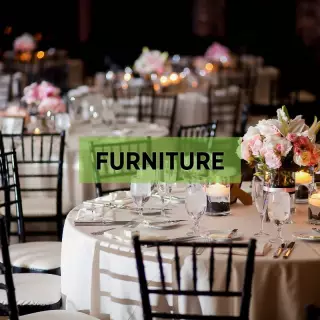
Chair hire prices split by style and event type. Stacking chairs suit conferences, school halls, community venues, and crew catering. Chiavari chairs sit at the premium end because clients use them for weddings, black tie dinners, and gala events where the chair forms part of the room design.
Quantity drives the rate. A 300-chair order often lands on a sharper unit price than a 30-chair order because the transport and labour cost is spread across more stock.
Style also affects the price. Chiavari chairs cost more because the finish needs more care, while standard stacking chairs move fast and stack deep on the vehicle. Delivery distance and the length of hire also feed into the final figure.
Table rates depend on size, shape, and the type of event. Round banqueting tables sit in the middle of most wedding and gala quotes, while trestle tables cover buffets, conferences, production offices, and catering back-of-house.
Room size changes the final mix. A 5ft round saves floor space in tight hotel rooms, while a 6ft round gives more elbow room for formal place settings and larger centrepieces.
Poseur tables can look expensive next to trestles, but they cover a different job. Drinks receptions, sponsor areas, and bar spill-out spaces need standing-height tables that keep guests moving.
Glassware costs look small per unit, but large events can use a lot of stock in a short period. A dinner for 100 guests can need white wine glasses, red wine glasses, flutes, tumblers, and reserve stock at the bar before the night is over.
Service style changes the number. A plated meal with one wine service needs fewer glasses than a reception, dinner, and after-party run in the same room.
Breakage reserve also matters. Bars run faster when they have back-up stock in the room instead of sending staff back to a wash-up point or remote storage area.
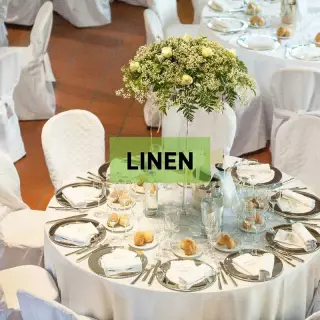
Linen can move the look of a room more than any other item in the order. A basic table with a floor-length cloth reads as a formal dinner, while the same table with no cloth reads as a workshop or buffet setup.
Cloth size and finish set the rate. Floor-length cloths use more fabric and suit formal events, while shorter cloths work for buffets or back-of-house areas.
Order linen against the actual table size. A wrong-size cloth creates extra cost because it has to be swapped or supplemented at the last stage.
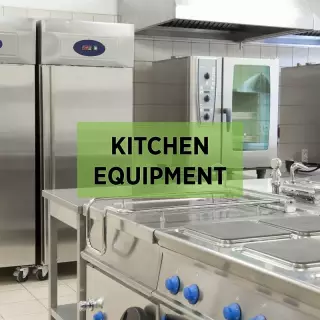
Catering equipment sits outside the guest view, but it still shapes the event cost. Buffets, crew catering, conference tea points, and backstage hospitality all need heated service equipment or hot drink kit.
The menu drives the kit list. A plated dinner may only need urns for coffee service, while a buffet or crew canteen needs a run of chafers, hot cupboards, and service tables.
Power supply also matters. Some venues limit the socket layout in temporary kitchens, so the catering team may need fewer large electric items and more holding equipment spread across service points.
Bars need furniture, service space, and glassware. A single straight bar works for a staff drinks reception or a charity dinner side bar. A larger gala or public event may need a full package with back-bar shelving and reserve glassware.
Bar pricing depends on guest flow. A short drinks reception before a seated dinner may only need one bar point, while a long evening event with an interval and after-party can need two or three bars in different zones.
Stock access also affects the figure. Bars close to a cellar or prep room need less support furniture than bars built in a remote marquee or exhibition hall.
Delivery charges for event hire usually sit between £40 and £120, based on the distance from the nearest Expo Hire depot and the size of the order. We operate from 11 depots across England and Wales, and the website calculates the delivery charge at checkout from the postcode.
Access can change the transport cost. Long hand-carry routes, timed loading bays, service lifts, and overnight collection windows can all add labour time, even if the event is close to a depot.
A clear access brief protects your budget. Give the venue postcode, the room name, the loading bay details, and the delivery and collection times when you ask for a quote.
These examples give you a working budget, not a fixed quote. The guest count, the venue access plan, the menu, and the delivery distance can move the figure in either direction.
The best way to compare suppliers is to price the whole room setup against the same event brief. Ask each supplier to include furniture, tableware, linen, transport, and any support charges in one number.
That matters when you compare quotes. A low headline rate loses value if the supplier adds deposits and damage fees before checkout.
Check the full order total before you approve it. The fairest comparison sits on the final figure, not the first product line you see on the page.
Price matters, but clarity matters as much. A good quote tells you what stock is included, how long the hire lasts, what the transport charge covers, and whether the supplier expects deposits or waiver fees. If the quote leaves those points vague, the event budget is harder to control.
Use this guide as a benchmark, then build your shortlist around the event brief. The right supplier should match the stock to the room plan and give you a clear total before you commit.
Yes. We keep website pricing aligned with the live hire catalogue, and the basket adds the delivery charge once you enter the postcode. Large orders, long runs, or mixed-site jobs can still need a manual quote if the access plan changes the labour or vehicle requirement.
Hire prices on product pages are shown before VAT unless the page states a VAT-inclusive figure. Check the basket and quote summary so you can see the net figure, the VAT figure, and the total before you approve the order.
Large orders can attract better rates when the item mix, quantity, and delivery plan suit the stock run. The saving comes from scale and route efficiency, so send the guest count, postcode, and event dates if you want a larger quote reviewed.
Yes. Send the product list, event postcode, access notes, and the delivery and collection dates. We can then price the order with transport and issue a written quote for sign-off.
"Clear ordering process, order was delivered complete and on time. Return was on time. Everything was as expected and planned"
"Couldn’t fault. Used for our wedding and everything was user friendly. No issue with rented chairs, pick up or delivery"
Read more genuine customer reviews →
For more information, read our Event Planning Guide.