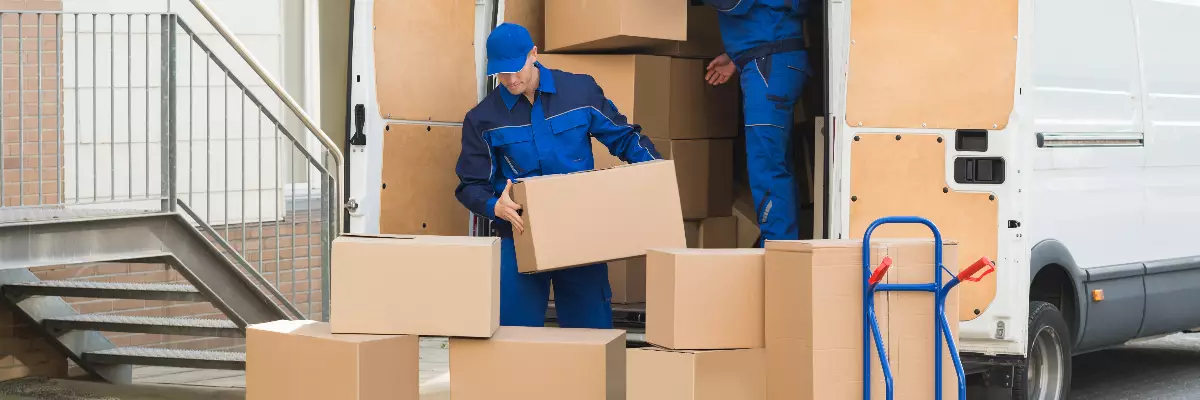
Expo Hire can fulfil hire orders with a few days' notice, subject to stock availability. The earlier you contact the team, the more options are open — but short-notice orders are possible and handled regularly.
Expo Hire can fulfil hire orders with a few days' notice, subject to stock availability. The earlier you contact the team, the more options are open — but short-notice orders are possible and handled regularly.
Short-notice event hire does not have to mean chaos. Expo Hire handles orders with only a few days to spare, subject to stock availability, and that process works best when the event details are clear from the start. If your date is close, time matters more than anything else. You need a live stock check, accurate quantities, a usable delivery slot, and one clear route to confirmation. Once those pieces line up, a short-notice order can move fast.
The first check happens on the website. Product pages show current stock levels, so you can see whether the core items you need are available for the date before you call or email. Short-notice orders move on a first-come basis, and a product that shows available in the morning can disappear by lunchtime if another event confirms first.
If the event cannot happen without chairs, tables, or serviceware, those items need checking first. Decorative upgrades and specialist pieces can sit behind the core list.
The important point on a short timeline is clarity. A folding chair and a chiavari chair do different jobs in a room, so the stock check should happen before anyone assumes a substitute will suit the event.
Once the stock looks right, speed counts. Short-notice hire works because the gap between checking and ordering stays tight. If you leave the list open for half a day while other details drift, the stock position can change. The quickest route is to confirm the items and move straight into the booking process.
Phone contact often helps on same-week work because it ties the stock conversation to the delivery slot in one exchange. Email still works, but it adds an extra loop when the event date is close. If the event is only days away, the faster channel gives the order more room to land cleanly.
Short-notice orders slow down when key information appears in stages. The team needs the event date, delivery address and postcode, the quantity list, an access note for the driver, and the collection time or next-day collection plan. If those details arrive together, the order can move in one pass. If the postcode arrives after the stock check, and the access note arrives after the quote, the process loses time.
The access note matters more than many people expect. A driver may need to know the road type, any height restriction, the unloading point, and whether the venue sits behind gates or inside a site with timed access. That level of detail protects the delivery plan and helps the team confirm whether the slot works for your venue. For carriage planning, the delivery information page sets out the charges and transport side of the process.
Short-notice availability is not only about stock. Delivery and collection windows shape the order too. Fridays and Saturdays tend to fill first, so a Thursday delivery for a weekend event can create space when Friday has already closed. The same applies at the back end of the event. If collection can happen the following morning rather than the same night, the route planner has more options.
Even one day of movement can change what is possible. That is why the team asks about date flexibility early in the conversation. The answer affects the transport plan as much as the hire list.
Large short-notice jobs place more pressure on stock, routing, and labour, so they need firmer confirmation than a small add-on order. Expo Hire's large order deposit scheme may apply where the order requires advance planning and a significant stock commitment. If the event needs equipment for 100 or more guests, that fact needs to be stated at the start of the enquiry.
That does not block the order. It helps the team route it through the right process before time slips away. Large furniture and catering runs can still move on short notice, but they need a tighter chain of information and confirmation than a modest top-up order.
Core ranges give you the best chance of success when the deadline is close. Chairs and folding tables tend to hold the deepest stock, which is why the chairs for hire range and the table hire range appear in many same-week orders. Standard crockery and glassware also perform well on short lead times because the stock depth supports quick turnaround.
More specialist items carry more pressure. Chiavari chairs can be in heavy demand. Linen in a specific colour can narrow the stock position fast. Large marquees often need more lead time because the equipment, crew pattern, and transport load all increase. If those items sit at the centre of the event, the order needs more time wherever possible.
The safest short-notice route starts with the items the event cannot run without. Tables for service, chairs for guests, and the basic catering or glassware list should sit at the front of the order. Once the core pieces are confirmed, the rest of the basket becomes easier to shape. That sequence keeps the event viable even if a decorative or specialist item has dropped out of stock.
It also gives the team a cleaner brief. A clear list of essentials, plus a second list of preferred extras, is easier to process than one basket where every line appears equally critical. The more sharply the event is defined, the faster the order can move.
Short-notice hire succeeds when stock, transport, and information arrive together. The live website handles the stock view. Your event detail handles the rest. Once those two parts meet, the order can move from enquiry to confirmation without wasted steps.
See also: event quantities guide and outside caterer equipment hire guide.
Choose from our vast range of catering hire, furniture hire and exhibition hire products. Select from the categories listed below or use our great search function above.