Sofas work well at events when the space and context suit them. This guide covers the best uses, layout principles for chill-out zones, and how to combine sofas and bean bags for different effects.
Sofas work well at events when the space and context suit them. This guide covers the best uses, layout principles for chill-out zones, and how to combine sofas and bean bags for different effects.
Sofas solve a different problem from chairs. You do not hire them for dining rows or conference sessions. You hire them when you want guests to settle, stay longer in a space and use one part of the venue in a different way from another. A good sofa layout creates pause points inside a busy event. A bad one blocks walkways, swallows floor space and ends up looking decorative rather than useful. If you are planning lounge furniture for a festival, reception, trade show or staff event, start with function before you choose style.
Sofas earn their keep when the event needs a softer zone inside a larger room or site. That may be a chill-out area at a festival, a networking corner at a conference, a sponsor lounge at an exhibition or a waiting area at an awards event. Guests use sofas when they want a longer conversation, a break from standing or a quieter patch of the room. That is why they work best when you place them with intent. Put them too close to the bar, the entrance or the main stage and people treat them as temporary perches rather than the destination you meant them to be.
A chill-out zone at a music festival or outdoor event needs furniture that can cope with real site conditions. Ground may be uneven, guests may arrive with drinks in hand, and the area may stay busy for hours. Sofas that sit on stable flooring, under partial cover and near low tables tend to work best. A cluster of four to six sofas can turn an empty patch of ground into a genuine destination, especially if you place it away from the loudest part of the site. Guests need enough distance from the main action to feel the change of pace, but not so much distance that the zone feels disconnected or forgotten.
Size the area to the event rather than treating lounge seating as a token extra. The original rule of thumb in this guide, roughly one sofa seat per ten to fifteen guests, works because it creates enough seating to matter without letting the lounge area dominate the footprint. If the event is likely to attract families, older guests or sponsors who spend longer in one place, lean toward the larger end of that range. If the sofa zone is there for atmosphere more than heavy use, a smaller cluster will still do the job.
For conferences, trade shows and corporate events, sofas change the tone of a conversation. Rows of chairs keep people facing forward. Poseur tables encourage short exchanges. Sofas create a place where two or four people can sit down and speak for longer without feeling as if they are occupying the room. That makes them useful in networking spaces, speaker lounges and breakout areas where the event depends on relationship-building rather than pure throughput.
The layout matters more than the individual piece. Two sofas facing each other with a coffee table between them create a defined conversation zone for four to six people. Several of these groupings across the same space give guests choice and stop the room feeling like a waiting area. Leave clear circulation space around each cluster so guests can enter the group without squeezing past seated people. That sounds obvious, but it is where many lounge layouts fall down.
A single sofa can also carry a visual role. In a well-lit corner with a backdrop, branding or florals, it becomes a photo point that guests choose to use. Here the style matters more than the seating capacity. A velvet chesterfield, a distinctive lounge piece or an oversized sofa gives the frame more presence than a plain conference-style seat. If photos matter, think about what will appear behind the sofa as much as the sofa itself. A strong piece placed against a cluttered service area will not read well in pictures.
Mixing sofas and bean bags can work well, but only when the event brief supports that level of informality. Bean bags soften the edge of a lounge zone and give guests a second seating height, which helps outdoor festivals and student events feel more relaxed. They also make sense in casual activation spaces where guests move in and out rather than sitting for an hour. For corporate events, treat bean bags with more care. They can work in a dedicated chill-out area, but they rarely sit well beside formal networking furniture or premium sponsor spaces.
Browse our sofa hire and bean bag hire ranges for available styles. We deliver across England and Wales.
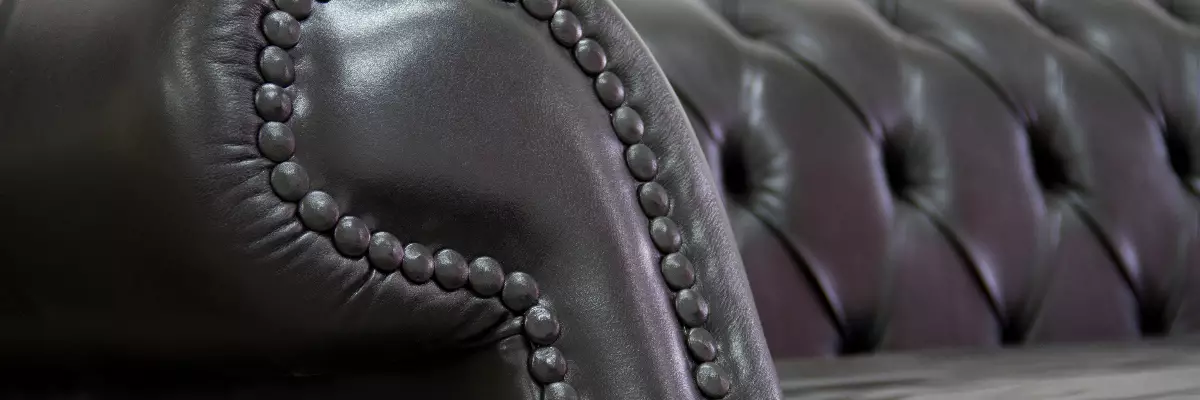
The best style depends on how you want the zone to feel. Leather or Chesterfield-style seating gives the area weight and works well in premium lounges, whisky bars and more traditional venues. Simpler upholstered sofas suit conferences, receptions and marquees because they add comfort without pulling too much attention. Low modular seating often works for brand events and exhibitions where clean lines and flexible arrangements matter more than a domestic look. Before you decide, look at the flooring, the colour palette and the neighbouring furniture. A sofa rarely sits alone, so it needs to make sense in the wider picture.
The most common mistake is lining sofas up against a wall and expecting them to create atmosphere on their own. Guests use lounge furniture more when it forms a small room within the room. Face pieces toward each other. Add a coffee table so guests have somewhere to set down drinks. Keep the group close enough for conversation, but not so close that knees touch. On larger events, repeat one arrangement several times rather than building one oversized lounge. Smaller clusters spread use across the venue and stop one corner becoming crowded while another sits empty.
Think about access before you fall in love with a particular look. Sofas are bulkier than chairs, so loading bays, lifts, stairs and tight doorways matter. If the event is outdoors, confirm what surface the furniture will sit on and whether cover is available. If the venue turns around fast between daytime and evening use, ask who is moving the lounge furniture and how long they have. Those answers often shape the best layout more than the original mood board does.
Sofa hire works best when you know what the area needs to do. If you need guests to slow down, talk for longer, wait in comfort or spend time in a branded zone, sofas can change the behaviour of the room in a useful way. If you only need extra seats, standard chair hire may solve the problem with less space and less cost. Once you are clear on that difference, choosing the right quantity and style becomes far easier.
Choose from our vast range of catering hire, furniture hire and exhibition hire products. Select from the categories listed below or use our great search function above.