LED furniture works at some events and looks wrong at others. This guide gives an honest assessment of where it belongs and where it doesn't, with practical notes on power and battery life.
LED furniture works at some events and looks wrong at others. This guide gives an honest assessment of where it belongs and where it doesn't, with practical notes on power and battery life.
LED furniture makes a strong visual statement, which is why it works well at some events and looks misplaced at others. Illuminated cubes, bars, poseur tables, and seating can give a room a deliberate, modern edge, but only when the rest of the event supports that look. If the lighting plan already matters, LED furniture can feel integrated. If the room relies on daylight, classic dining cues, or a restrained business tone, the same pieces can pull the whole scheme off course.
The source content places LED furniture in rooms where colour and darkness already form part of the design. A corporate product launch in a blacked-out venue can use LED furniture set to a brand colour and make the whole room feel coordinated. A nightclub-style awards evening can support bar units and poseur tables glowing in changing colours because the wider environment already follows that aesthetic. In those settings, the furniture looks intentional rather than added for effect.
The same guide highlights outdoor evening events, garden parties, festival bar areas, and receptions in marquees without strong overhead lighting. Once daylight drops, LED furniture starts to work as a visible light source rather than just a coloured object. It can help define a bar area, mark a seating cluster, or make a route through the site easier for guests to follow after dark.
That practical benefit matters as much as the appearance. In open outdoor spaces, lit furniture can help guests orient themselves and spot service points without adding extra visual clutter.
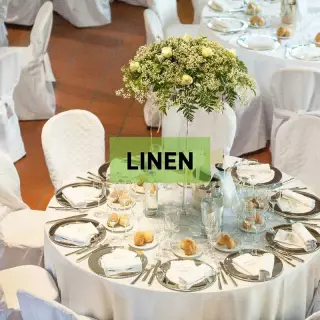
The clearest poor fit in the source content is the formal dinner. A room built around candles, white linen, and silver cutlery already has its own visual language. LED cubes or illuminated side furniture can fight that rather than support it. The issue is not personal taste. It is whether the furniture belongs in the same design conversation as the rest of the room.
The same caution applies to other classic dining formats where the atmosphere depends on table dressing, soft lighting, and a more traditional finish. In those spaces, a glowing feature can distract rather than enhance.
The source guide also points to daytime events as a weak match. In full daylight, LED furniture loses the quality that makes it distinct. It stops reading as a light feature and starts to read more like coloured plastic furniture. If the event runs from noon to 5pm outdoors or in a bright room, the visual return may not justify the place it takes in the scheme.
Corporate event planning covers very different formats, and the source content distinguishes between them. A launch or evening hospitality event can take stronger styling. A daytime conference, meeting room, or board-style setting often cannot. LED furniture signals informality and entertainment. In a room built for presentations, discussion, or focused networking, that tone can feel distracting rather than useful.
The guide divides LED furniture into battery and mains options. Battery-powered pieces give you more freedom because you can place them without cable management. That suits scattered poseur tables, flexible lounge layouts, or outdoor guest areas where cables would become awkward. The source content notes battery life of roughly eight to twelve hours, with shorter life at brighter or cycling settings, and it also notes that units can dim as charge drops during a long event.
Mains-powered units give you brighter and more consistent light for the full duration. The trade-off is the cable route. Power leads affect placement and create trip-management considerations, so the layout has to absorb them from the start. For a fixed bar unit, mains power can make sense. For scattered pieces across a wider room, battery often keeps the plan cleaner.
The source guide makes a sharp point about colour settings: a single colour usually looks more deliberate than a full rainbow cycle. If the event already uses brand colours or a limited palette, holding the furniture on one colour can help it sit within the rest of the design. A constant cycle through the full spectrum can push the mood somewhere much more playful, which will suit some events and weaken others.
LED furniture works best when the event already wants contrast, mood lighting, and a more theatrical look. It works less well when the event depends on daylight, business focus, or classic dining cues. The easiest way to decide is to look at the room and ask what the furniture needs to do there. Does it support the lighting plan, help define guest areas, or make service points stand out after dark? If not, a simpler furniture choice may serve the event better.
You can browse the LED furniture hire range for bar units, cubes, poseur tables, and seating, and see the wider furniture hire offer if the event needs a broader package. Expo Hire also delivers across England and Wales.
Choose from our vast range of catering hire, furniture hire and exhibition hire products. Select from the categories listed below or use our great search function above.