<p>Water jugs get forgotten in the planning until the venue is dry by the main course. Plan one jug per 6-8 seated guests, or one per 15-20 at a standing reception.</p>
<p>Water jugs get forgotten in the planning until the venue is dry by the main course. Plan one jug per 6-8 seated guests, or one per 15-20 at a standing reception.</p>
Water jugs often get ignored until the last stage of event planning. Then someone asks how guests will get water during the meal or meeting, and you realise the room has no proper plan for it. That gap shows fast. Guests start borrowing glasses from nearby tables, staff keep leaving the room to fetch refills, and the service loses pace. Water does not need to be complicated, but it does need a quantity plan.
The right number of jugs depends on how guests will sit, how long they will stay in one place and whether staff can refill between service points. A seated dinner needs a different setup from a standing reception. A conference room needs a different pattern from an exhibition stand. If you match jug numbers to the way the event works, guests stay covered without filling every surface with extra glassware.
For a seated dinner, one jug per table of 6 to 8 guests gives each table its own supply without taking over the place setting. That works well when staff can refill between courses. If the kitchen or bar sits close to the room, you do not need to flood the tables with spares from the start. The key is to treat water as part of table service rather than something guests have to chase down for themselves.
The same logic works for conferences and meetings, but the refill pattern changes. One jug per 8 to 10 delegates suits a half-day session where guests stay seated and can top up their own glasses during breaks in the programme. If the room is warm, the session is long or tea and coffee service runs alongside it, allow enough stock for smooth refills rather than constant emergency top-ups.
Conference planners often think only in terms of table count. You should also look at table shape and room access. Wide rounds can carry a jug easily. Narrow classroom layouts may need jugs placed at the row end or on side stations if papers, laptops and notepads already fill the table.
Standing receptions usually need fewer jugs per head because guests are also drinking wine, beer or soft drinks. One jug per 15 to 20 guests at a station or bar area is a sensible rule of thumb, as long as the water point is easy to reach. If you hide the water in a corner, guests will not use it and staff will still be asked for ad hoc glasses and refills.
Placement matters more than raw numbers at a standing event. Put water where people already pass, such as near the bar, beside food stations or close to the entrance. A few clear water points spread through the room work better than one large setup tucked out of sight.
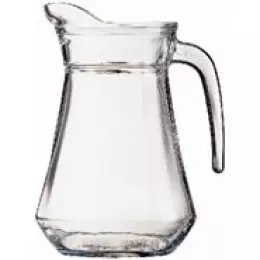
Our 1.3L glass table jugs suit formal dining and conference tables where you want the jug to sit as part of the table setting rather than look like improvised back-of-house equipment. They work well for dinners, wedding breakfasts, boardroom layouts and plated lunches where guests remain in place and help themselves between refills.
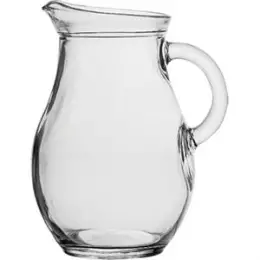
The smaller 250ml bistro jug suits individual place settings, tasting events or smaller tables where a large jug would look out of proportion. It can also work where the layout calls for a lighter touch on the table. Size should follow the service plan. If guests will share, the larger jug makes sense. If the setting is more individual, the smaller format may fit better.
Match your jug count to your glassware order. A table needs one water glass per guest in addition to any wine, champagne or soft drink glasses already planned. If you only count bar glasses, you can still leave the dining room short on water service. Water glasses should be part of the table plan from the start.
Ice support matters too. Ice buckets help staff keep jugs topped up cold without constant trips back to the kitchen. That makes a real difference at summer weddings, conferences and marquee events where room temperature rises once guests arrive. If the room has difficult back-of-house access, a small buffer of filled jugs or extra ice can save a lot of wasted movement during service.
Your staffing plan affects how many jugs you need almost as much as guest count does. If staff can move through the room between courses or break points, you can order tightly to the table count and rely on refills. If the service team is small or the event has long stretches with no natural pause, you may want spare jugs ready off the floor so staff can swap them out quickly.
The first mistake is ordering by instinct rather than by layout. Ten tables of eight do not need the same jug plan as eighty guests standing at a launch event. The second mistake is ignoring water because the drinks list focuses on alcohol or soft drinks. Guests notice missing water fast, especially during meals and daytime sessions. The third mistake is forgetting the practical side. If nobody can refill the jugs when they empty, the starting quantity stops mattering.
See our full glassware and tableware hire range, or contact us if you're planning a large event and want help working out quantities.
Choose from our vast range of catering hire, furniture hire and exhibition hire products. Select from the categories listed below or use our great search function above.